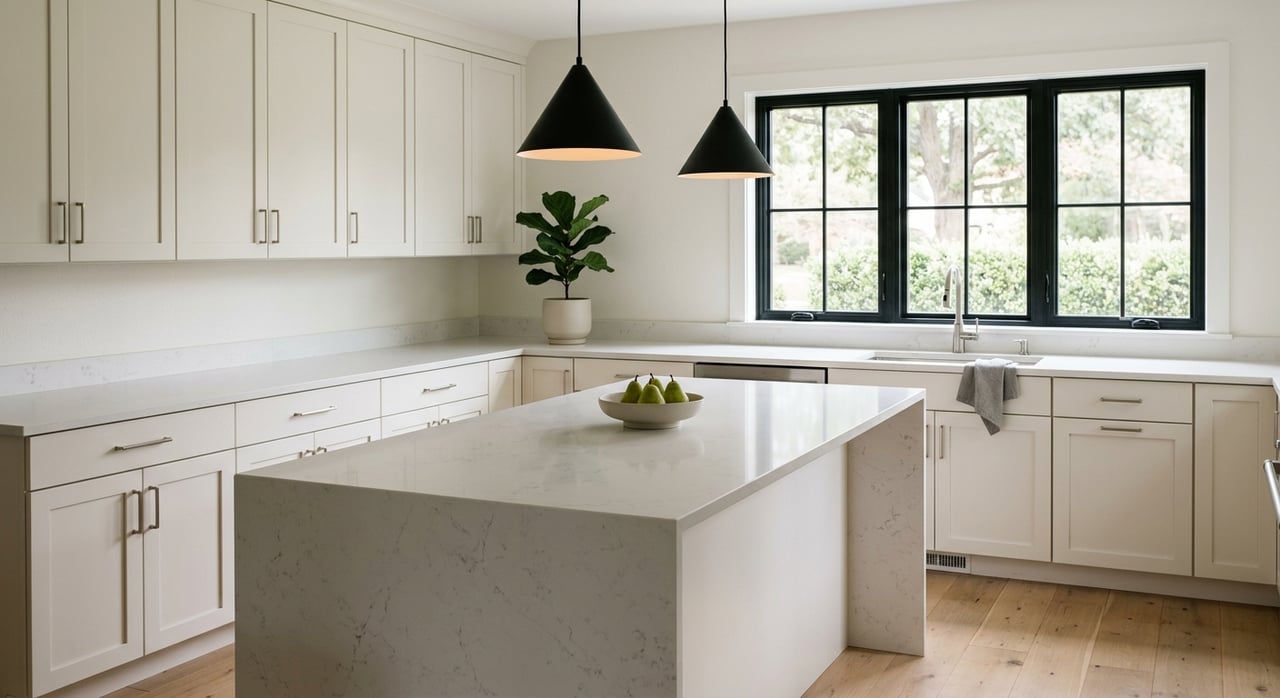
Selling in Apison can feel tricky right now. In a smaller market where monthly numbers can swing and buyers have options, the wrong price or a rushed launch can cost you time and leverage. The good news is that smart pricing and polished marketing can help you stand out from day one, especially in a community where presentation and condition matter. Here is how to approach your sale with more confidence and a better plan.
Why Pricing Matters More in Apison
Apison is a small Chattanooga-area community with a relatively high owner-occupied home value. According to Census Reporter’s Apison profile, the median owner-occupied home value is $459,000, well above the Chattanooga metro figure reported in the same dataset. That price point tends to raise buyer expectations for condition, updates, and overall presentation.
Apison is also a place where a small number of listings can affect market averages. Census Reporter shows a population of 4,271, with only 4.2% of residents moving since the previous year, which helps explain why monthly market snapshots may shift quickly. For you as a seller, that means broad averages are helpful, but precise pricing based on current competition matters more.
Recent market snapshots suggest buyers are not rushing. Local portal data in the research report point to a buyer-friendly environment, homes selling around asking on average, and longer days on market. In that kind of setting, pricing too high at launch can make your home easier to skip.
Start With Recent Comparable Sales
The best pricing strategy starts with very recent closed sales, not wishful thinking. In Apison, buyers may also compare your home to nearby options along the broader corridor, especially if they are considering commute convenience to Ooltewah, Collegedale, Enterprise South, Southern Adventist University, McKee Foods, or the airport via Apison Pike. That cross-shopping affects what feels like a fair value.
A smart pricing conversation should look at more than square footage. Buyers often weigh condition, updates, lot appeal, layout, and location convenience at the same time. If your home is move-in ready and presents well online, that can support stronger pricing than a similar home that needs work.
It also helps to think in terms of a pricing range rather than one perfect number. You can start with the strongest comp set, adjust for your home’s specific features and condition, and then watch how the first wave of showings responds. If activity is soft, an early adjustment is usually better than letting the listing go stale.
Avoid the Cost of Overpricing
When a listing misses the market at launch, it often loses momentum fast. The research report notes recent sold examples with varied outcomes, including some homes selling at list or just below, while another sat for 340 days before selling. That spread is a reminder that price and presentation work together.
National trends support the same point. According to the National Association of Realtors buyer snapshot, the median sales price for recently sold homes was 100% of final list price, and buyers spent a median of 10 weeks searching while viewing seven homes. In plain terms, buyers are comparing carefully, and your first list price needs to hold up against the alternatives.
Overpricing does not just risk fewer showings. It can also lead to later price cuts, more negotiation pressure, and a weaker final outcome. If your goal is to protect your net proceeds, a realistic launch strategy is often the stronger play.
Prepare the Home Before It Goes Live
Your online debut matters more than ever. NAR reports that 81% of buyers rated listing photos as the most useful feature in their online home search, and all buyers used the internet in the search process. That means many buyers form an opinion of your home before they ever step inside.
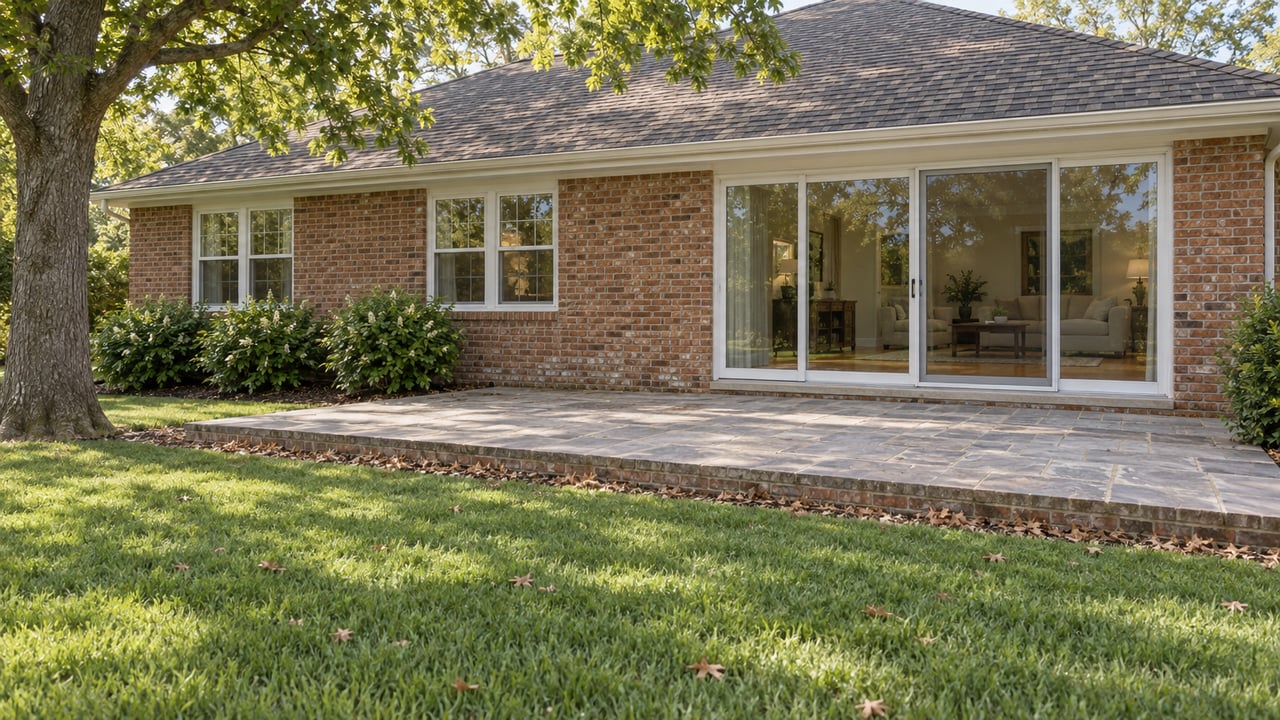
This is why prep should happen before the listing goes live, not after. Cleaning, decluttering, light editing, and finishing small repairs can improve both your photos and your in-person showings. If your home has flexible rooms, usable outdoor areas, energy-efficient features, or smart-home upgrades, those details should be ready to highlight from the start.
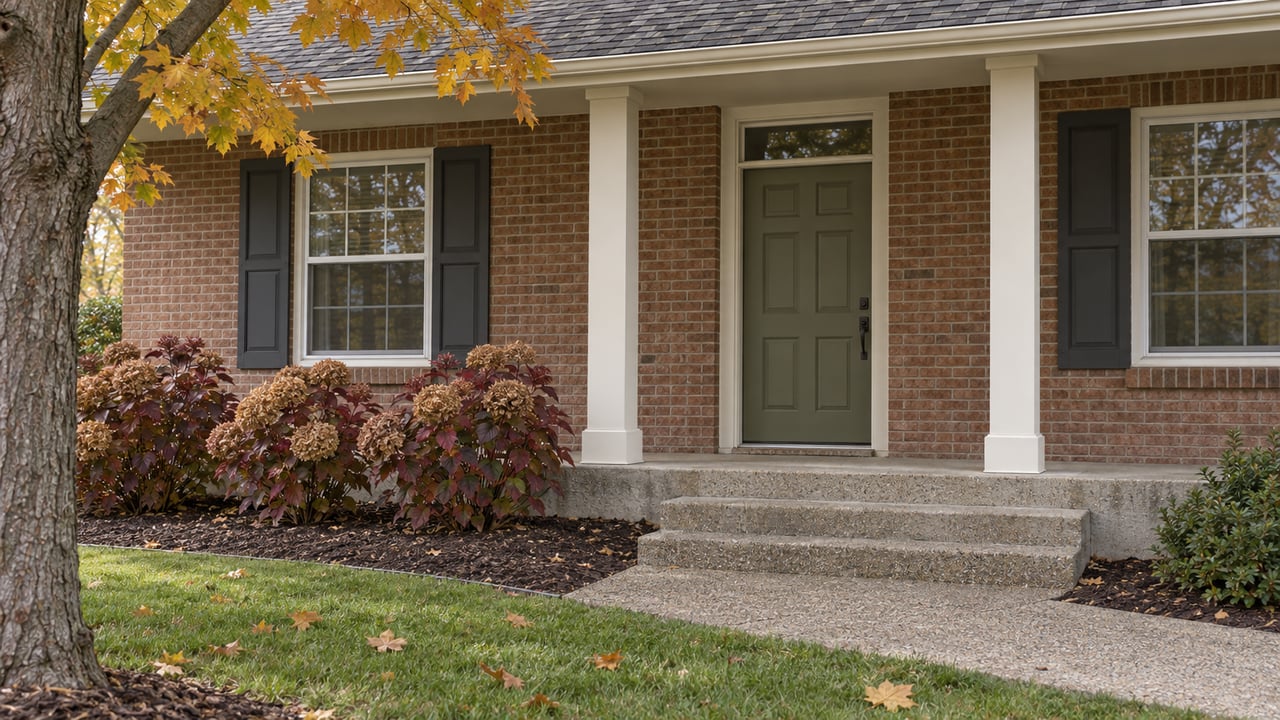
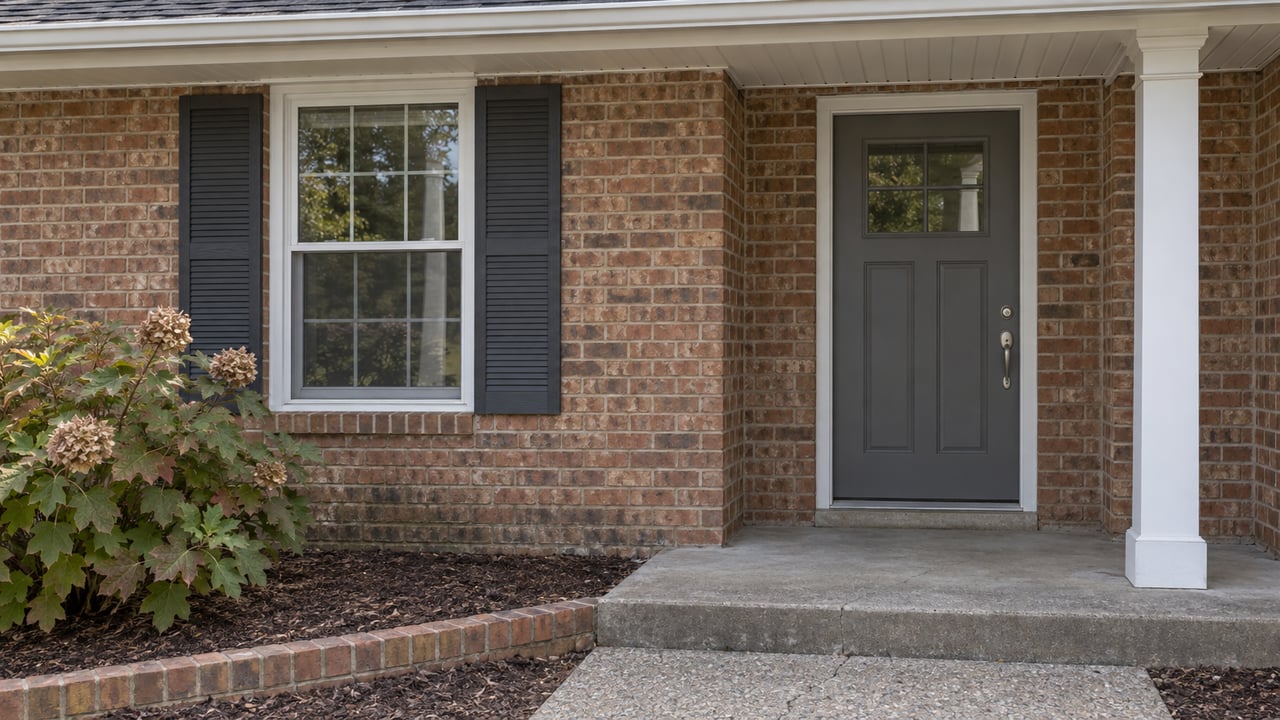
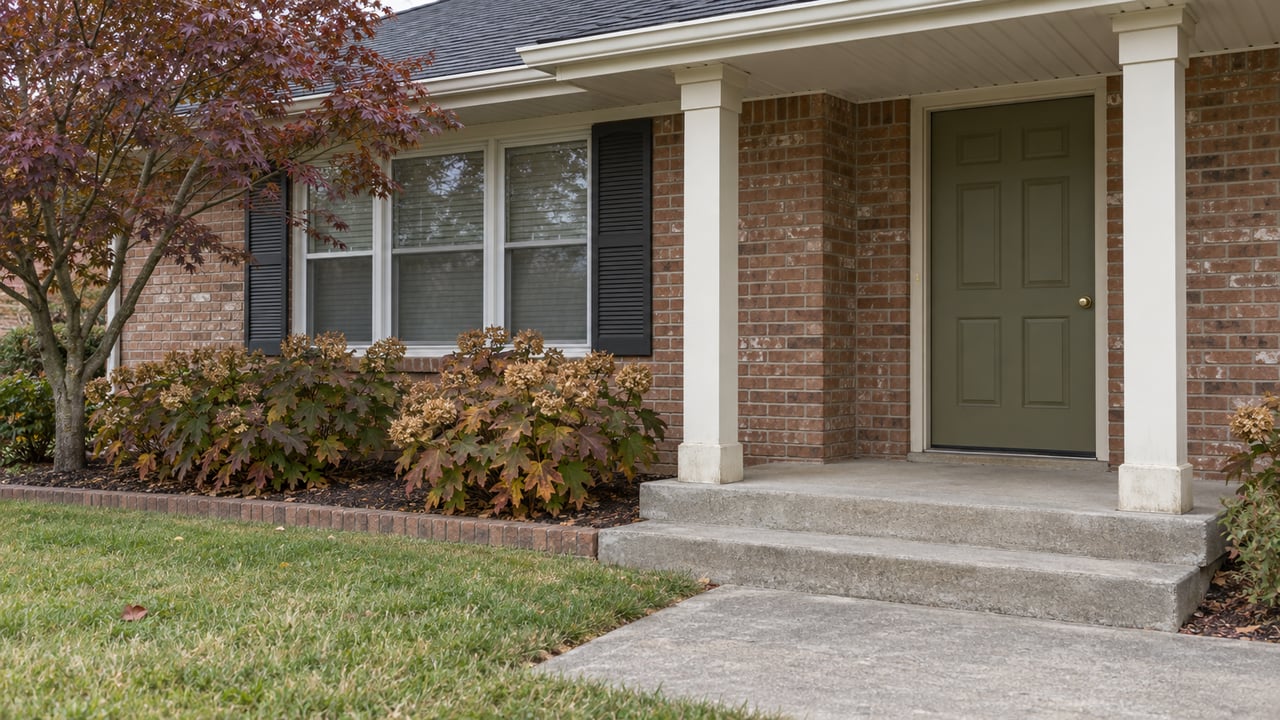
For many Apison homes, curb appeal also matters. A tidy exterior, trimmed landscaping, and an inviting entry can help your home make a stronger first impression in the lead photo. Buyers often decide whether to click based on that first image alone.
Use Staging to Help Buyers Connect
Staging is not about making your home look fake. It is about helping buyers understand scale, flow, and function. According to NAR’s 2025 home staging snapshot, 83% of buyers’ agents said staging made it easier for buyers to visualize a property as their future home.
The most commonly staged rooms are the living room, primary bedroom, and dining room. If you are deciding where to focus your time and budget, those spaces are a logical place to start. Even simple changes like reducing extra furniture, brightening a room, and defining a room’s purpose can make a meaningful difference.
The same NAR research also found that 29% of agents saw a 1% to 10% increase in offered value from staging, and 49% saw faster sales. For sellers in a market where buyers have choices, that is worth taking seriously.
Build a Better Online Launch
A modern listing needs more than an MLS upload. NAR’s 2025 Technology Survey coverage says 75% of agents use social media, 52% use drone photography and video, and 46% use AI-generated content such as listing descriptions. The takeaway for you is simple: broader exposure and stronger media can improve how your home is seen and remembered.
That matters in Apison, where buyers may be looking across multiple nearby communities. A coordinated launch can include professional photos, compelling listing copy, social distribution, and prompt follow-up once interest comes in. The goal is not just to be seen, but to be seen in the best possible light.
Detailed property information is also essential. NAR’s online-visibility guidance notes that photos, property details, and floor plans rank among the most useful website content for buyers. If your listing tells a clear story about layout, updates, and everyday livability, buyers can make a stronger connection faster.
Highlight What Apison Buyers Notice
Your marketing should reflect how buyers actually evaluate homes in this area. Apison’s location offers practical access to nearby job centers, schools, shopping, and services through the broader Chattanooga suburban corridor. The Apison Pike corridor improvements support the case for mentioning convenience and connectivity when it is relevant to your property.
Inside the home, buyers may pay close attention to livable features that support daily routines. Flexible office space, open kitchen and living areas, storage, updated finishes, and usable outdoor areas can all strengthen your home’s appeal. The right marketing does not exaggerate these features. It presents them clearly and honestly so buyers can see how the home fits their lives.
That is especially important when buyers are comparing several homes at once. Strong copy and visuals help them remember yours.
Plan for Negotiation Before Offers Arrive
Pricing and marketing get buyers to the table. Negotiation strategy helps protect your result once they do. In a buyer-friendlier market, you may face repair requests, concession requests, or more price sensitivity than sellers saw in tighter conditions.
That does not mean you cannot achieve a strong outcome. It means you need a plan before offers arrive. Knowing where you are flexible, what repairs matter most, and how timing affects your move can help you respond with confidence instead of reacting under pressure.
Representation matters here. NAR reports that 91% of sellers used a real estate agent, and 88% of buyers purchased through an agent or broker. For sellers, that supports the value of coordinated pricing, marketing, communication, and negotiation under one clear strategy.
What Smart Selling Looks Like
If you are selling in Apison, the best approach is usually not to test the market with a high number and hope. It is to price with discipline, prepare the home fully, launch with polished marketing, and stay ready to adjust if early feedback calls for it.
That approach respects how today’s buyers shop. They compare online first, move carefully, and respond to homes that feel well-positioned from the start. In a market like Apison, that can make the difference between a strong launch and a listing that lingers.
If you want a pressure-free plan for pricing, presentation, and negotiation in Apison, Michael Schober can help you build a strategy that fits your home, your timeline, and your goals.
FAQs
How should Apison home sellers price a home in a smaller market?
- Apison sellers should start with recent closed comparable sales, consider nearby cross-shopped areas, account for condition and updates, and treat pricing as a strategic range rather than a guess.
Why do listing photos matter so much for Apison home sales?
- Listing photos matter because buyers usually search online first, and NAR reports that photos are the most useful online feature for most buyers.
Is staging worth it for Apison home sellers?
- Staging can be worthwhile because it helps buyers visualize the home, and NAR research shows many agents see faster sales and, in some cases, higher offered value.
What should Apison home sellers do before listing day?
- Before listing day, focus on cleaning, decluttering, minor repairs, staging key spaces, improving curb appeal, and completing professional photography and marketing materials.
How can Apison sellers prepare for negotiations in a buyer-friendly market?
- Apison sellers can prepare by setting pricing carefully, understanding likely repair or concession requests, and working with an agent who can coordinate strategy and negotiation from the start.