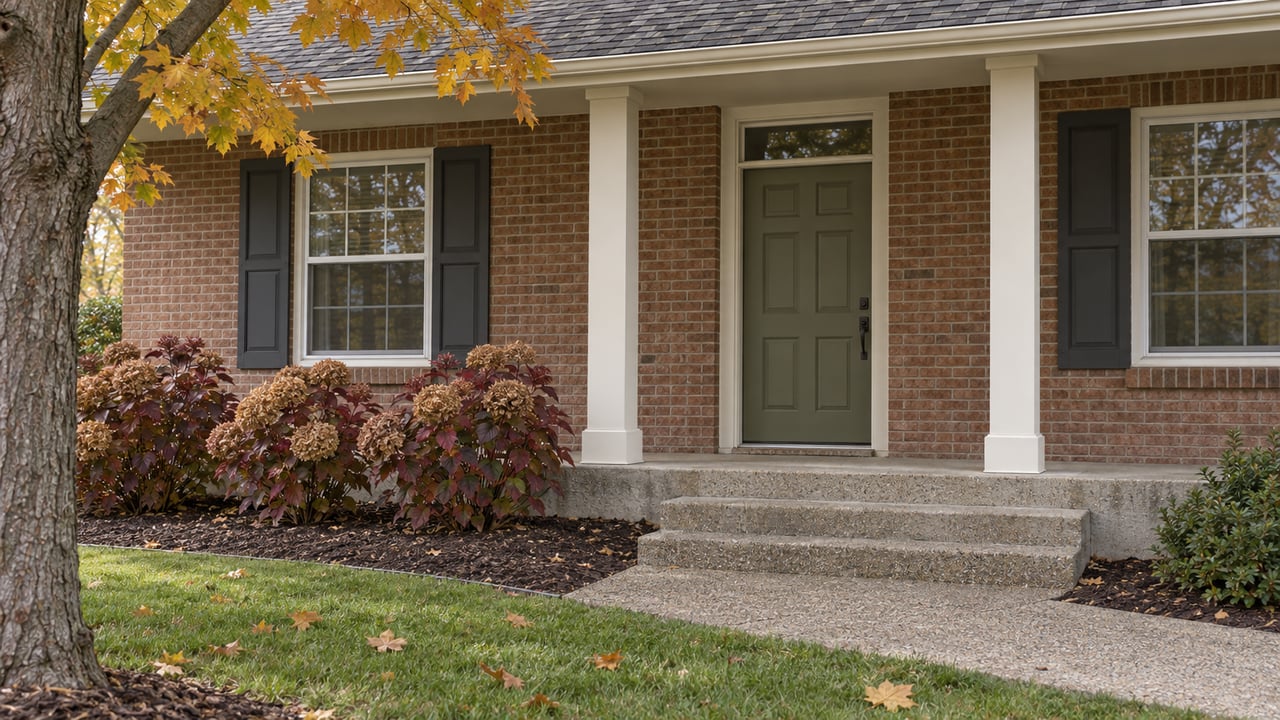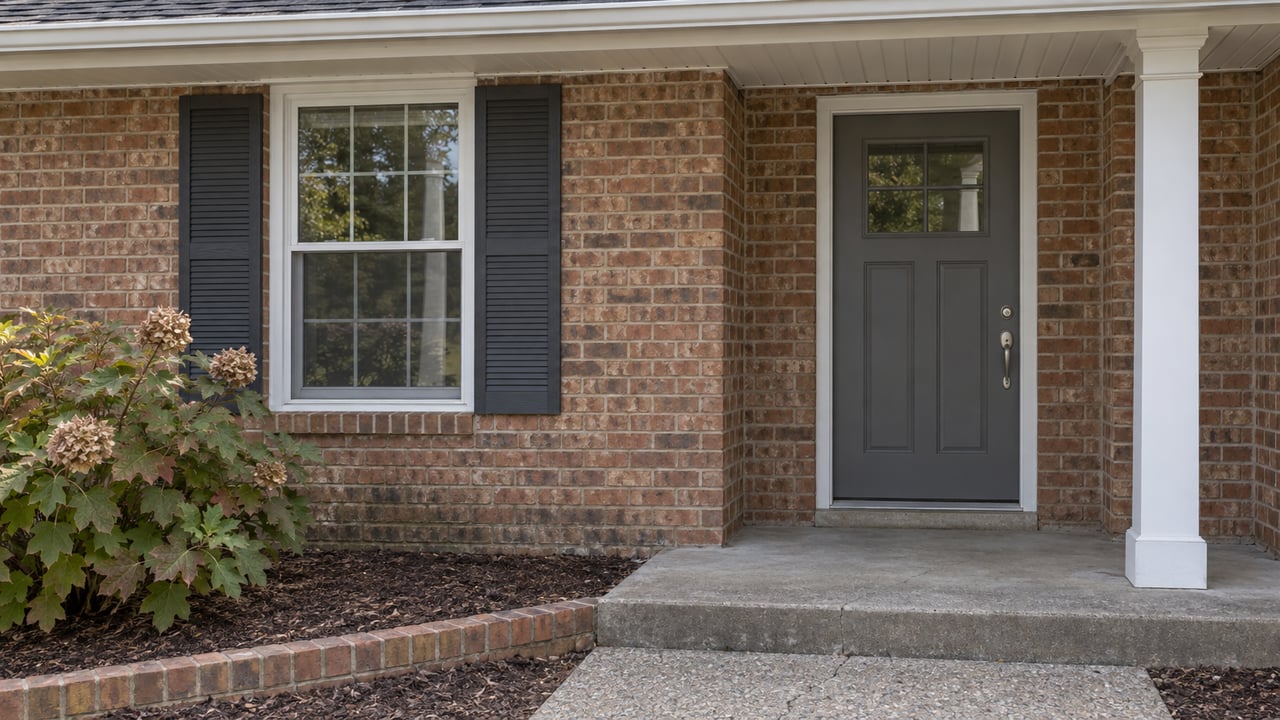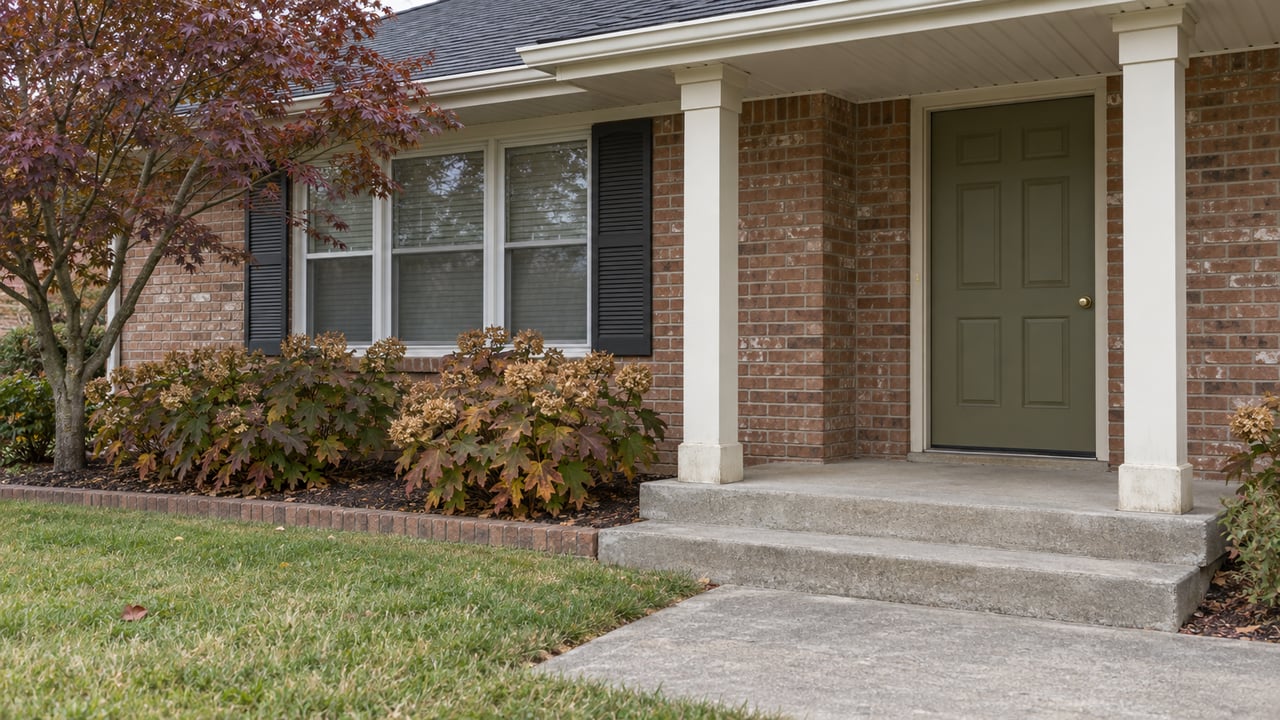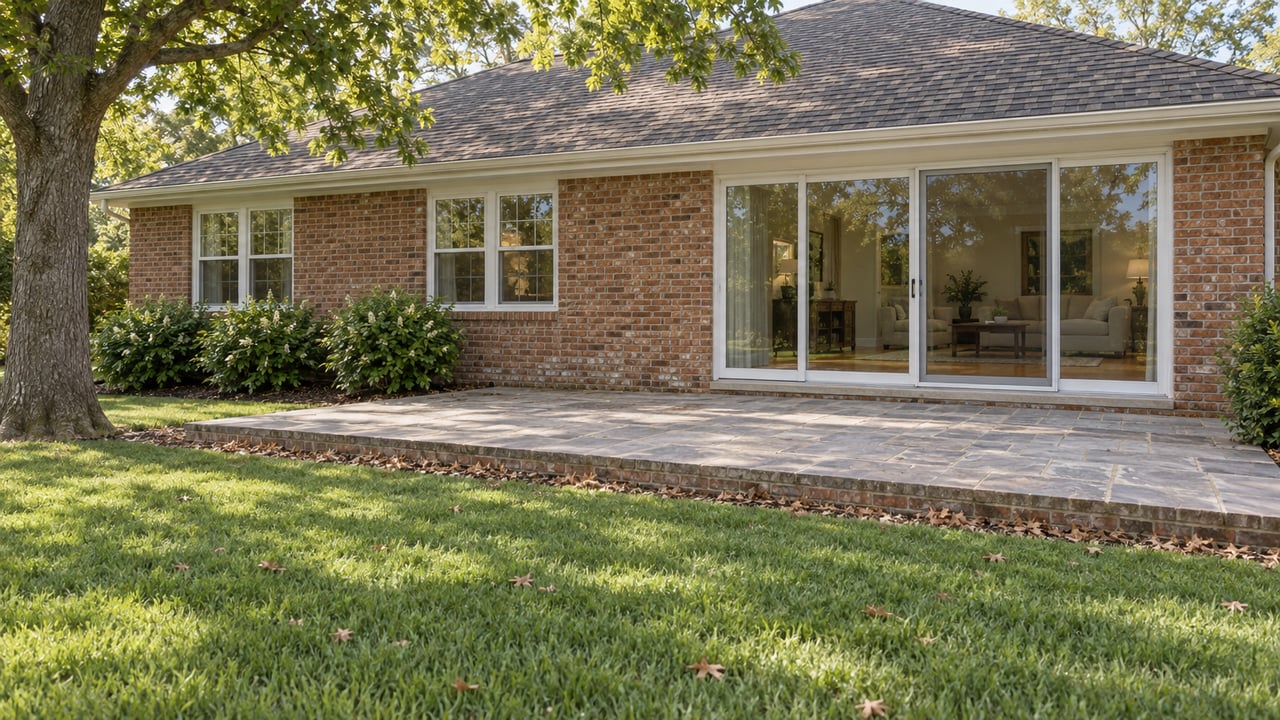
The average home in Harrison's 37341 zip code was valued at $338,422 as of the end of August 2026, down slightly over the past year, with homes moving to pending in about 47 days. That number describes most of Harrison. It does not describe the reason most buyers are looking at Harrison in the first place. The properties pulling people toward Chickamauga Lake, the ones in gated communities like Windward Cove, Bal Harbor, and Georgetown Bay, sit well above that average, sometimes into seven figures. The premium isn't really for square footage or finishes. It's for water access. And water access on this lake comes with a piece of paper that doesn't automatically change hands when the deed does.
The Price Gap Everyone Sees
Ask anyone shopping Harrison right now and they'll tell you the same thing: there's the "regular" Harrison market and there's the lakefront market, and the two barely resemble each other. A three-bedroom brick ranch a half mile off Highway 58 competes on the same terms as similar homes anywhere else in Hamilton County. A home with a private dock on Chickamauga Lake competes on almost nothing but the dock.
That's a rational premium. Chickamauga Lake covers more than 35,000 acres and over 800 miles of shoreline, and demand for a private slip has been strong enough to support marinas the size of Island Cove Marina, which sits on Highway 58 in Harrison and bills itself as the largest marina on the lake, alongside the state-run marina at Harrison Bay State Park with its mix of covered and uncovered slips. People want to keep a boat five minutes from the house. That part of the story is straightforward.
What's less straightforward is what "private dock" actually means as a legal matter, and that's where the price gap starts to make less sense until you understand who really controls the shoreline.
What the Deed Doesn't Cover
Chickamauga Lake is a Tennessee Valley Authority reservoir, and TVA's authority over it doesn't stop at the water's edge. A lot of shoreline property around the lake, including parcels in Harrison, sits inside what TVA calls flowage easement shoreland: privately owned land where TVA holds the right to flood the property as needed for reservoir operations. The house itself typically sits outside that easement. The dock almost never does.
Any dock, pier, boathouse, or similar structure built on or over that shoreland falls under Section 26a of the TVA Act, which requires TVA approval before construction. That's true even though the underlying land is privately owned. TVA's own materials are direct about this: the terms of the easement, not just the deed, govern what can be built there. A buyer looking at a listing photo of a private dock is looking at a structure that exists because of a specific permit tied to specific terms, not because the property line extends into the water.
This is easy to miss because nothing about the listing signals it. The dock looks finished. It looks like it belongs to the house. In one sense it does. In the sense that matters at closing, it belongs to a permit.
Why the Permit Doesn't Follow the Sale on Its Own
Here's the part that catches buyers off guard. TVA permits for docks and boathouses are not automatically transferable when a property sells, and an existing structure is not grandfathered just because it's been standing for years. If the previous owner built or modified the dock without proper authorization, or if the permit lapsed, the new owner inherits that problem, not the seller. TVA can require the structure to be brought into compliance, modified, or removed, and the cost of doing that falls on whoever owns the property at the time TVA notices.
That reframes the entire pricing question. A gated lakefront listing at a premium price isn't selling you a dock outright. It's selling you a house, a shoreline location, and a claim on a permit whose actual standing you haven't verified yet. Two homes with identical docks can carry very different risk depending on whether that permit is current, transferable, and matched to what's actually built. From the street, or from the listing photos, they look the same.
Section 26a doesn't only govern the dock itself. TVA's own definition of a regulated obstruction reaches boathouses, piers, boat launching ramps, shoreline stabilization projects, and channel excavation, among other structures. Anything that touches the shoreline below full-pool elevation is potentially in scope, which means the permit question isn't limited to buyers who want a boat slip. It applies to anyone planning to alter the waterfront at all.
What a Verified Dock Actually Requires
None of this makes Harrison lakefront a bad buy. It makes it a buy that requires a different kind of diligence than a standard suburban resale, and that diligence is doable before you're under contract.
The specific things worth confirming, ideally before an offer goes in:
- Whether the dock or boathouse has a current TVA authorization, and whether that authorization is listed as transferable
- A recent boundary survey that shows exactly where the flowage easement line falls relative to the structure
- Whether any electrical work on a lift or boathouse has passed local inspection, since that's typically a separate permit track from TVA's approval
- Whether the structure as built matches what the permit describes, since additions or modifications made without a follow-up filing are a common way docks fall out of compliance
The Marina Option Nobody Advertises
For buyers who want lake access without inheriting someone else's permit history, there's a second path that Harrison listings rarely mention: renting a slip instead of owning a private dock. Harrison Bay State Park operates a marina with both covered and uncovered slips, including transient rentals booked through the park office. Island Cove Marina, also in Harrison off Highway 58, functions as a full-service marina with its own amenities. Either option puts a boat five minutes from a Harrison home without tying the property itself to a 26a permit at all.
That's worth weighing seriously against a private-dock lakefront purchase, especially for a buyer whose priority is using the lake rather than owning a specific piece of shoreline. The homes near Harrison Bay State Park, close to Bear Trace Golf Course and the park's boat ramps, put a buyer just as close to the water without the permit question ever entering the transaction.
What This Actually Changes About How to Shop Harrison
The $338,422 average for the zip code and the six and seven figure listings in Windward Cove, Bal Harbor, and Georgetown Bay aren't really two ends of the same market. They're two different products. One is a house. The other is a house plus a claim on a shoreline structure whose legal footing depends on paperwork that may or may not survive contact with a title search.
Buyers who treat the second category like the first, evaluating it on square footage and finishes, are pricing the wrong thing. The question that actually determines whether a lakefront purchase in Harrison is a good one isn't how the dock looks in the listing photos. It's whether the permit behind it is current, transferable, and matched to what's actually sitting in the water.
If you're weighing a private dock against a marina slip, or you've found a Harrison listing where the dock's permit history isn't clear, Michael Schober can help you get the right questions answered before you're under contract, not after.
This article is general information, not legal, tax or financial advice. Consult a qualified professional about your situation.