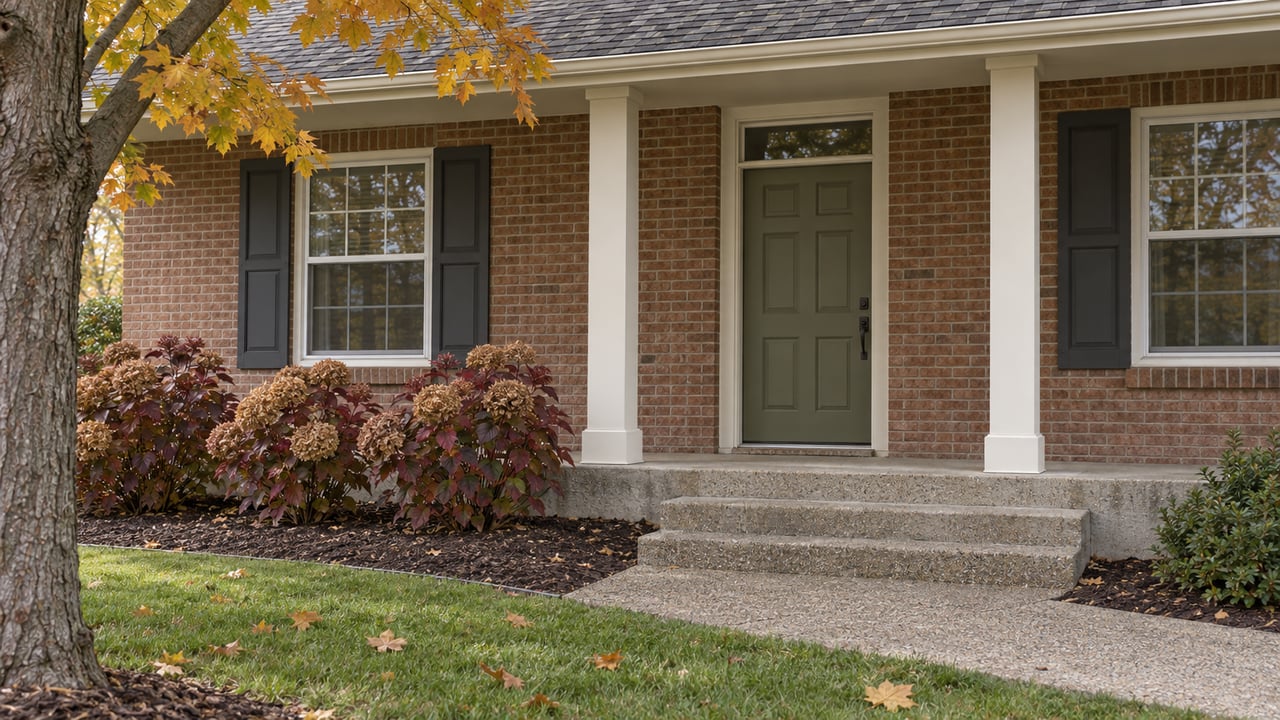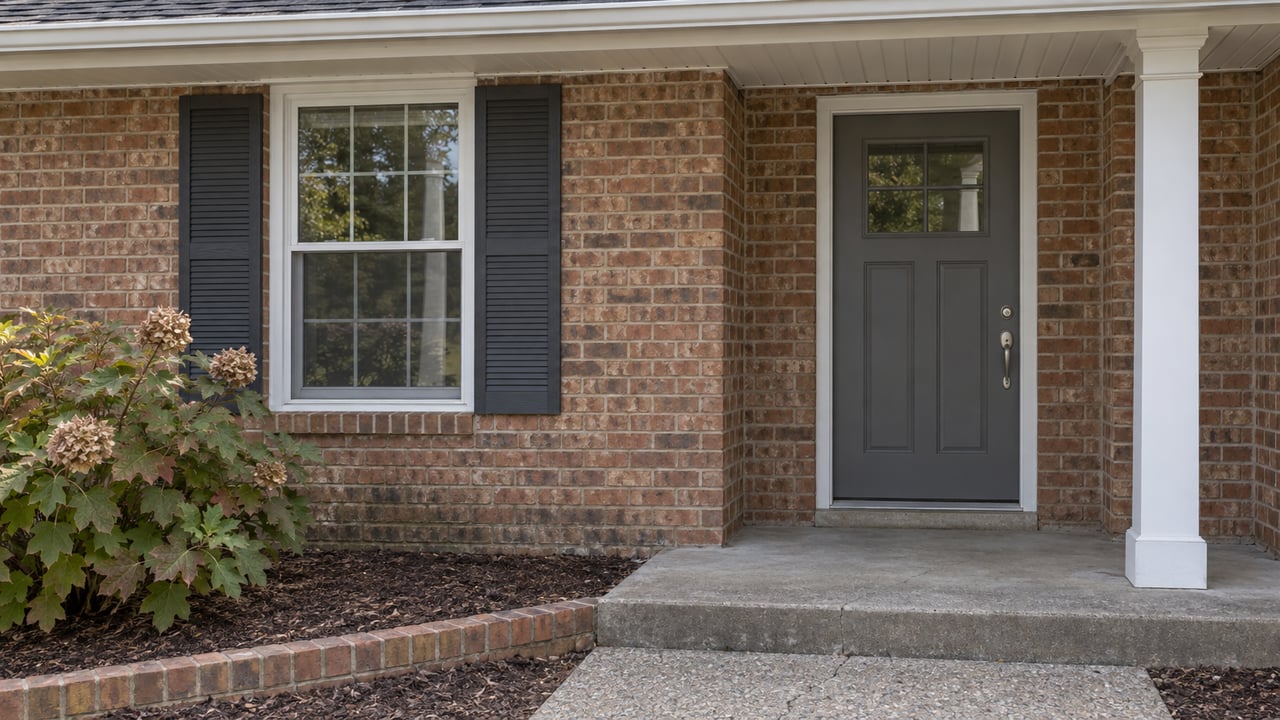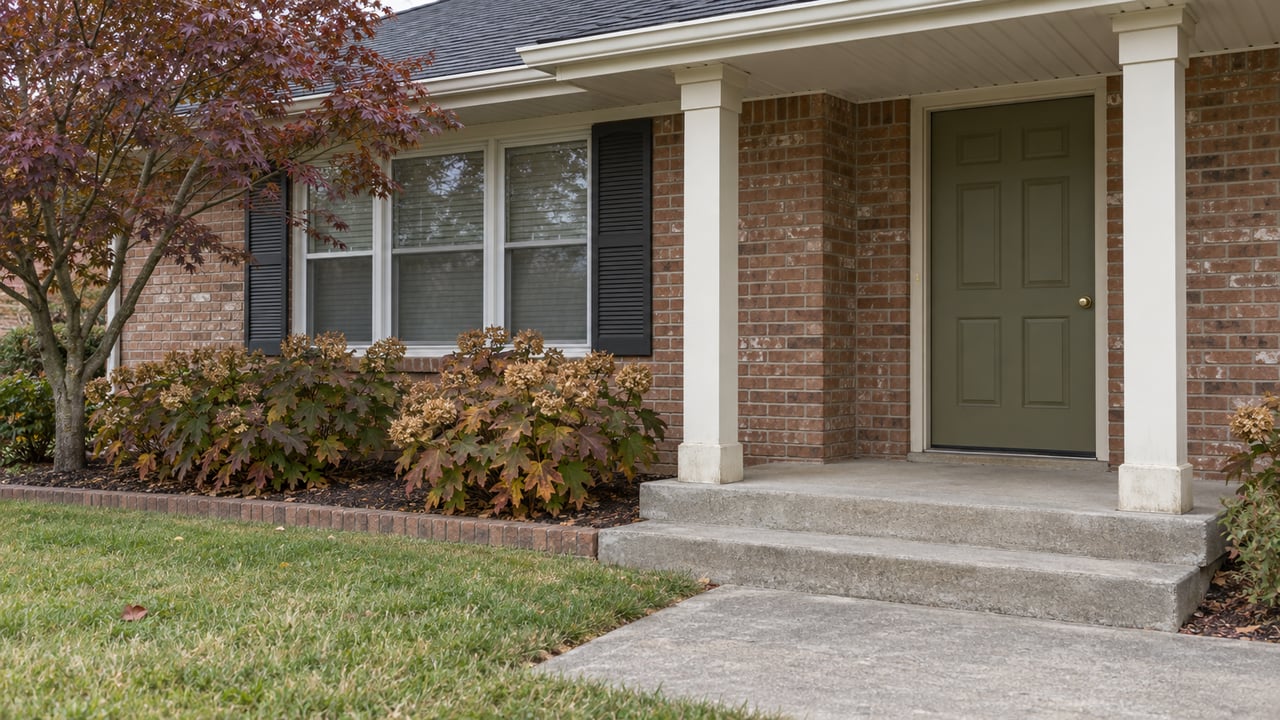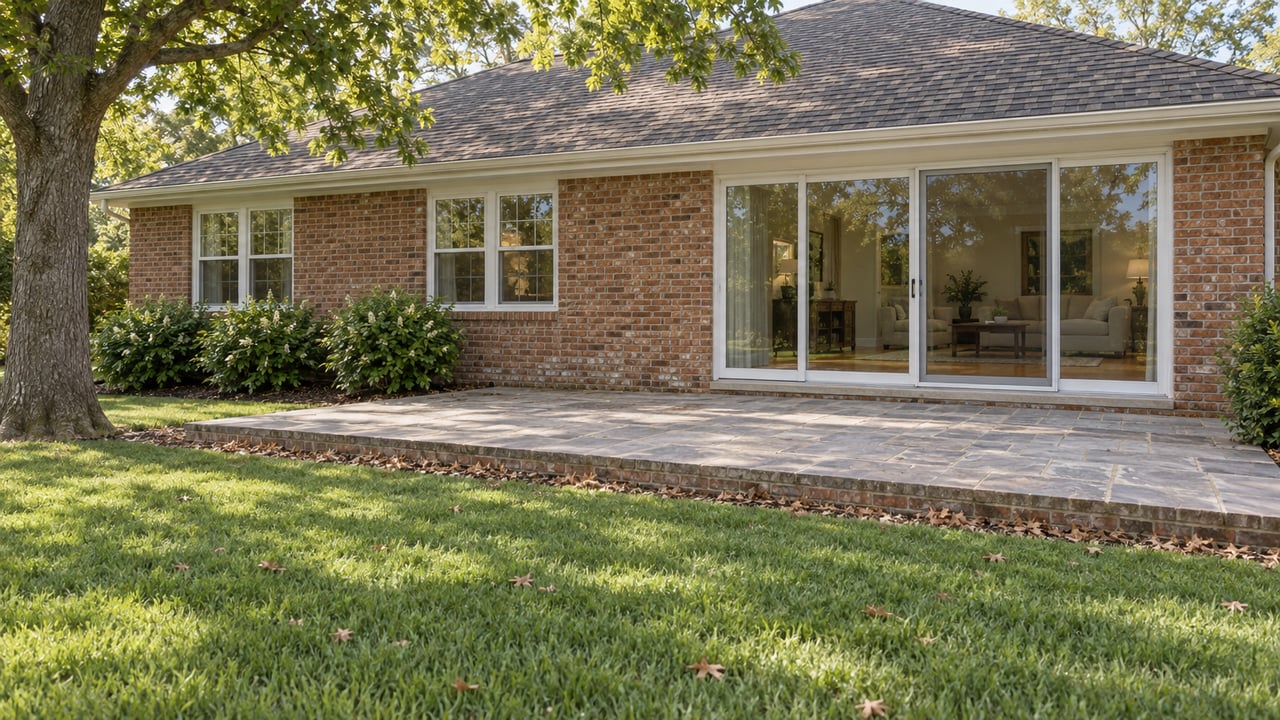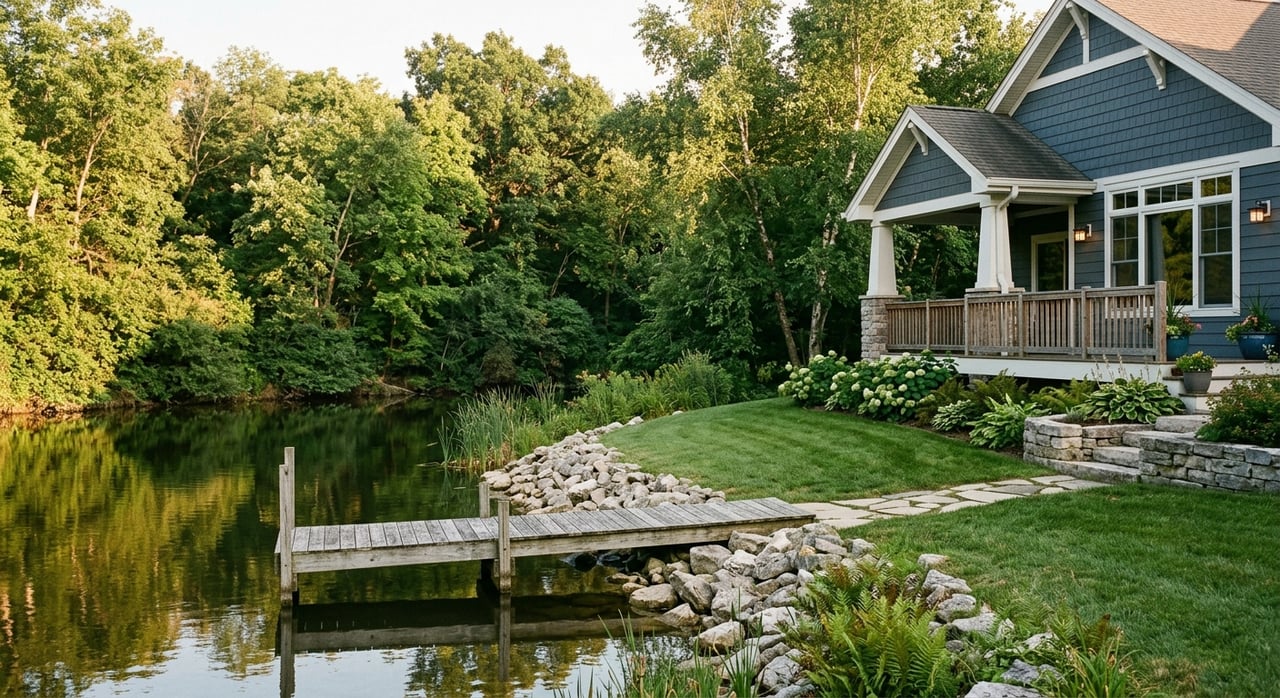
Dreaming about a home near the water in Harrison, TN? It is easy to picture peaceful views, quick boat access, and weekends on Chickamauga Lake, but buying near the water comes with details you do not want to discover after closing. If you are considering a lake-area home, this guide will help you understand what to check, what questions to ask, and how to buy with more confidence. Let’s dive in.
Why Harrison draws water-focused buyers
Harrison’s appeal is closely tied to Chickamauga Reservoir, a TVA reservoir on the Tennessee River. According to TVA, the reservoir includes about 36,240 acres of water surface and 784 miles of shoreline, making it a major part of the lifestyle and landscape in this part of Hamilton County.
For many buyers, that means access to boating, fishing, and time outdoors is a real part of daily life, not just a once-a-year perk. TVA identifies the reservoir as popular for fishing, boating, and swimming, which helps explain why homes in and around Harrison often attract buyers looking for a more recreation-centered property.
Another major local feature is Harrison Bay State Park. Tennessee State Parks describes it as a 1,200-acre park with about 40 miles of Chickamauga Lake shoreline, serving campers, boaters, fishermen, and day-use visitors from Chattanooga and nearby areas.
That local access matters because buying near the water is not only about what you see from the backyard. It is also about how you plan to use the area, whether that means launching a boat, spending time at the park, or simply enjoying a home close to one of Harrison’s defining natural features.
Know the lake is not all the same
One important detail buyers often miss is that Chickamauga does not have the same shoreline conditions everywhere. The Tennessee Wildlife Resources Agency says the upper half of the reservoir is more riverine, while the mid-to-lower sections include more sloughs and embayments.
That can affect how a property feels and functions. A calm cove, a more open stretch of shoreline, and a lot with varying water depth can create very different ownership experiences, even if the homes look similar online.
TWRA also notes the reservoir supports bass, crappie, catfish, walleye, and striped bass. If fishing is part of your plan, location on the lake may shape your day-to-day enjoyment just as much as the house itself.
Dock rights are not automatic
This is the biggest issue to understand before you buy. In Harrison, being close to the water does not automatically mean you have the right to build a dock, keep an existing one, or add shoreline improvements.
TVA says not all waterfront property is eligible to have a dock. Buyers should verify whether the parcel has the land rights needed for a Section 26a permit before assuming a dock, ramp, or shoreline stabilization project is possible.
That matters because TVA says it owns land or land rights along most reservoir shoreline. In practical terms, your lot line on paper may not tell the full story about what you can actually do between the house and the water.
What TVA controls on shoreline property
For most shoreline work on TVA reservoirs, TVA approval is required. That includes residential docks, piers, boathouses, land-based steps and walkways, shoreline stabilization, and vegetation removal or management on TVA property.
TVA also notes that in new developments, residential water-use facilities generally must be 1,000 square feet or less. Use of TVA property is generally limited to an access corridor unless TVA grants a waiver.
This is why a pretty listing description is never enough. If a home is marketed as waterfront or dockable, you want documentation that supports how the shoreline is legally being used.
Ask these dock and shoreline questions
Before you move forward on a water-oriented property in Harrison, ask for clear answers to a few key questions:
- Is there an existing Section 26a permit for the dock or shoreline improvements?
- Does the current dock or structure match the approved permit?
- Does TVA land or TVA land rights sit between the lot and the water?
- Is the property actually eligible for a future dock if one is not already there?
- Are there recorded easements or access corridors that affect shoreline use?
These questions can save you from making a costly assumption. A home with a great view and a home with usable shoreline rights are not always the same thing.
Existing permits may not transfer automatically
Another easy detail to miss is what happens after closing. TVA says permits do not automatically transfer to a new owner.
A new owner must request a permit for existing approved shoreline structures within 60 days of acquiring waterfront property. TVA also says that if an older dock was altered or does not match the prior permit, a new permit may be required.
TVA notes that some pre-1999 permitted facilities may be grandfathered, but only if they were built exactly as previously approved. That is a strong reason to compare permit records to the actual condition of the property during due diligence.
Plan for permit timing
If you hope to add or modify a dock after closing, build extra time into your plans. TVA says shoreline applications can take up to 120 days.
That timeline can affect your budget, your move-in expectations, and how soon you can fully enjoy the property the way you intended. If waterfront access is central to your purchase decision, it is smart to understand those timing limits before you commit.
Water levels change seasonally
Lake life also comes with seasonal changes that first-time waterfront buyers may not expect. TVA manages Chickamauga Reservoir seasonally, and on Chickamauga the drawdown begins after Labor Day weekend.
TVA says the minimum winter elevation is 675 feet, while the typical summer operating range is 681.5 to 682.5 feet. That means the shoreline and water access you see during one showing may not reflect year-round conditions.
TVA also notes that lake levels update throughout the day. If you tour a property once, you may not be seeing what is typical during another season, especially if boating access or shoreline appearance is important to you.
Check floodplain status early
Floodplain due diligence should be part of any waterfront or near-water purchase in Harrison. FEMA defines a Special Flood Hazard Area as the mapped area with a 1% annual chance of flooding.
FEMA also says federally backed loans in a Special Flood Hazard Area generally require flood insurance. Just as important, FEMA notes that damaging floods can happen outside mapped high-risk areas too.
In Hamilton County, floodplain review can involve more than a quick glance at a map. County materials say that if a structure is in, touches, or is very close to the Special Flood Hazard Area, a survey or other official topographic data must be included.
If work is proposed in the floodway, Hamilton County says a no-rise certification is required. The county Building Inspection Department handles building permits, code compliance, and records for identified flood hazard areas in unincorporated parts of the county.
Why flood status affects your budget
A waterfront home budget should go beyond the purchase price and mortgage estimate. The total monthly housing cost may include property taxes, homeowner’s insurance, utilities, maintenance, HOA fees, and possibly flood insurance.
If the property is in a Special Flood Hazard Area, flood insurance may be required for certain loans. Even when it is not required, understanding the property’s flood exposure can help you make a more informed decision about long-term ownership costs.
Do not overlook septic due diligence
Many buyers focus on the lake and forget to ask what is happening underground. If the home is not connected to sewer, septic review is a major part of your due diligence.
Tennessee says a septic system permit should always be obtained before dirt work or construction of any building, including the building pad. Hamilton County directs buyers and owners to its Groundwater Department for new septic installs, existing septic use, lot reviews, repairs, and malfunction concerns.
The county also says inspection letters are routinely requested by buyers, lenders, and real estate professionals during sales and mortgage financing. If you are buying near the water, this is one of the easiest ways to avoid unpleasant surprises later.
Review title, survey, and property records
With waterfront and near-water homes, paperwork matters just as much as curb appeal. Hamilton County’s Register of Deeds records deeds, mortgages, and plats, and the Assessor’s property search can show lot size, property type, and legal description.
That makes survey and title review especially important. Easements, recorded plats, and TVA land rights can all affect how a property can be used, even when the home itself checks every box.
This is also why many buyers want their closing documents reviewed in advance and may choose to have a real estate attorney review the deed and related documents. On shoreline property, clarity is worth the extra care.
What to notice during showings
When you tour a home near the water in Harrison, pay close attention to the parts of the property that photos may not explain well. The goal is to spot questions early, not after inspection.
Look carefully at:
- Dock condition and visible repairs
- Shoreline stabilization or signs of erosion
- Drainage patterns around the home and yard
- Walkways, stairs, or shoreline access improvements
- Whether the shoreline setup appears consistent and well maintained
- Lot shape, slope, and how the property actually connects to the water
These observations do not replace formal due diligence, but they can help you decide which properties deserve a deeper look.
Build the right buying team
Buying near the water is often more layered than buying a standard suburban home. The difference between a relaxing lake property and a frustrating one usually comes down to recorded rights, flood status, septic status, and permit history.
That is why it helps to work with professionals who understand waterfront details and know what records to request early. A pressure-free process should still be a thorough process, especially when the shoreline is part of what you are paying for.
A smart way to buy near the water
If you are considering buying near the water in Harrison, the best next step is simple: slow down enough to verify the details. The view may be what draws you in, but the real value is in understanding what the property allows, what it costs to maintain, and how it fits the way you want to live.
With the right guidance, you can enjoy the benefits of Harrison’s lake setting without getting tripped up by avoidable surprises. If you want a local, pressure-free approach to buying in the Chattanooga area, Michael Schober can help you evaluate homes near the water with clarity and confidence.
FAQs
What should you verify before buying waterfront property in Harrison, TN?
- You should verify dock eligibility, Section 26a permit history, whether TVA land rights affect the shoreline, floodplain status, septic status if applicable, and any easements or plats that impact access or use.
Can you automatically build a dock on waterfront property in Harrison?
- No. TVA says not all waterfront property is eligible for a dock, and buyers should confirm the parcel has the land rights needed for a Section 26a permit before assuming a dock is possible.
Do TVA dock permits transfer automatically after closing in Harrison?
- No. TVA says permits do not transfer automatically, and a new owner must request a permit for existing approved shoreline structures within 60 days of acquiring the property.
Why do flood maps matter when buying near the water in Hamilton County?
- Flood maps matter because a home in a Special Flood Hazard Area may require flood insurance for certain loans, and Hamilton County may require additional survey or topographic data if a structure is in, touches, or is very close to the hazard area.
What should you check if a Harrison home near the water has a septic system?
- You should confirm the septic permit history, ask about current system status, and understand whether Hamilton County Groundwater records or inspection letters are needed during the transaction.
Does one showing tell you everything about a lake property in Harrison?
- No. TVA manages Chickamauga Reservoir seasonally, and water levels can change throughout the year and even throughout the day, so one showing may not reflect typical shoreline or boating conditions.