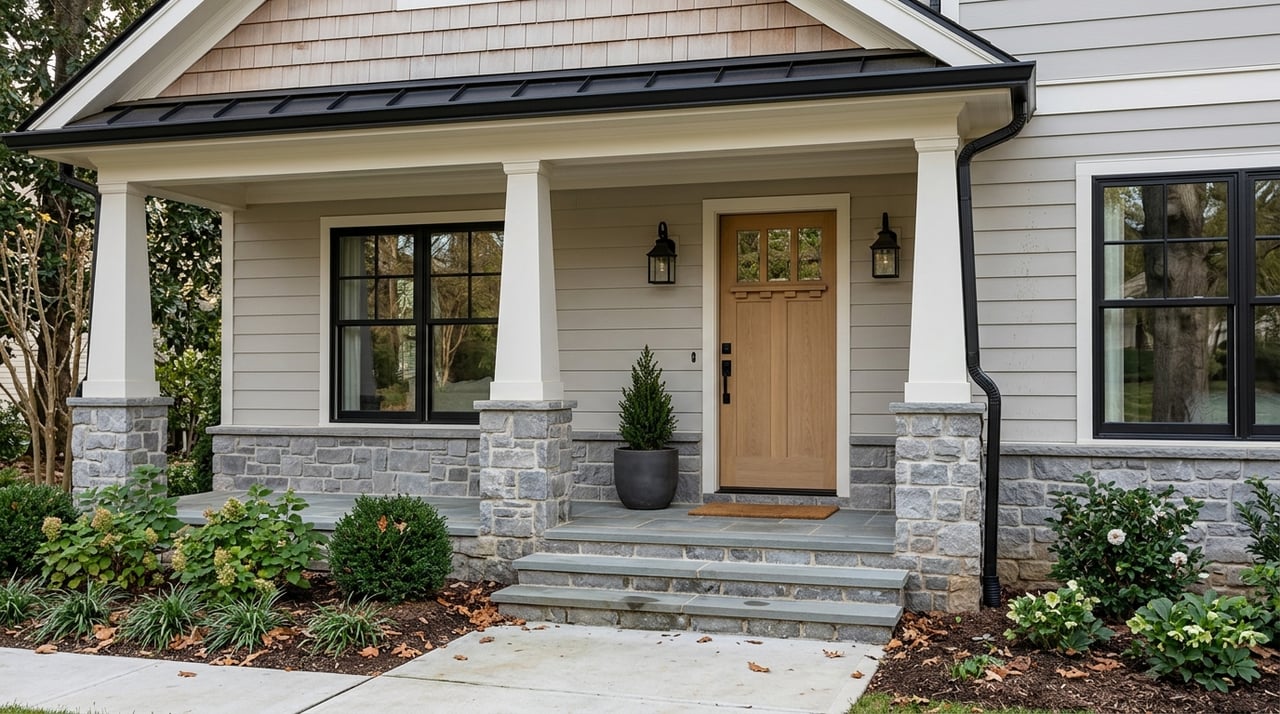
Looking at homes on Signal Mountain, you may notice something right away: the housing stock does not feel cookie-cutter. One street might have a porch-heavy bungalow, the next a formal two-story Colonial Revival, and around the curve you may spot a cottage-like Tudor or a practical ranch built to suit the terrain. If you are buying or selling here, understanding those style differences can help you better read the market, spot value, and appreciate what makes this mountaintop community so distinct. Let’s dive in.
Why Signal Mountain Feels Architecturally Layered
Signal Mountain developed first as a summer resort and later as a permanent residential suburb. That history matters because it helps explain why the area feels layered rather than planned around one single house type.
According to the National Register district documentation, much of the historic core remains largely unaltered, and 81% of contributing buildings date from 1900 to 1945. The setting also plays a major role, with tree-filled lots, curving roads, and an open, naturally landscaped mountaintop character that still shapes how homes sit on their land.
That scenic setting is still part of daily life on Signal Mountain. As a mountaintop community near trails, streams, waterfalls, and hikes, the area naturally rewards homes that connect well to the outdoors through porches, decks, and wooded views.
Craftsman Bungalows Stand Out
One of the most common historic forms you will see on Signal Mountain is the bungalow, often with Craftsman details. These homes are a big part of the mountain’s visual identity and are especially common in the historic district.
Craftsman bungalows are usually one to one-and-a-half stories with low-pitched roofs, broad gables, open eaves, and visible rafters or brackets. The porch is often the star of the front elevation, which fits Signal Mountain especially well because outdoor living and connection to the lot are such a big part of the appeal.
For buyers, these homes often offer a lot of character in a manageable footprint. For sellers, their original charm usually carries real value, especially when porch details, rooflines, and wood features have been preserved.
What Buyers Often Like About Bungalows
These homes tend to attract buyers who want warmth and personality without taking on a very large house. Their scale can also feel approachable for people who value charm over sheer square footage.
Common draws include:
- Strong curb appeal
- Front porches that feel usable and inviting
- Mature lot settings
- Distinctive wood and roof detailing
- Good potential for interior updates while keeping original character
Colonial Revival Offers A More Formal Look
Colonial Revival is another style you will see on Signal Mountain, and it brings a different feel than the bungalow. Where bungalows often feel casual and porch-forward, Colonial Revival homes tend to feel more symmetrical, formal, and traditional.
This style is usually defined by rectangular footprints, side-gabled roofs, centered front doors, multi-light windows, and columns or pilasters. On Signal Mountain, these homes often present as classic two-story houses with balanced proportions and a strong street presence.
For many buyers, the appeal is flexibility. The exterior can keep its timeless look while interiors are updated in a way that still feels natural to the home’s original layout.
Why Colonial Revival Still Appeals
If you like a house that feels orderly and classic, this style often checks that box. It can also support more clearly separated rooms, which some buyers prefer over fully open layouts.
You may be drawn to Colonial Revival homes if you want:
- A traditional exterior appearance
- Symmetrical design
- Strong curb appeal
- Flexible room arrangements for modern updates
- A more formal architectural presence
Tudor Revival Adds Storybook Character
Some of Signal Mountain’s most visually memorable homes fall into Tudor Revival or English Cottage Revival styles. These are often the houses that feel the most storybook-like, especially when they sit among trees or on lots with natural stone and mature landscaping.
Typical features include steep roofs, front-facing gables, tall narrow windows, masonry, stucco, weatherboard, half-timbering, and decorative chimneys. The combination of textures gives these homes a lot of visual depth, which is part of why they stand out.
For buyers, these homes often deliver strong emotional appeal. For sellers, that same distinctiveness can be a major strength, especially when original masonry, rooflines, and window patterns remain intact.
Renovation Requires A Careful Approach
Tudor and cottage-style homes can be very rewarding to update, but they usually need a lighter touch. Changing windows, flattening rooflines, or removing textured exterior elements can reduce the style that makes the house special in the first place.
That does not mean updates are off the table. It simply means the best results often come from improving function while respecting the home’s original design language.
Eclectic Revival Styles Add Variety
Signal Mountain also includes smaller numbers of Spanish Colonial Revival and Italian Renaissance Revival homes. These are not the dominant look, but they help explain why the area can feel more visually varied than many later suburban neighborhoods.
Their presence reflects an early development pattern where owners and builders selected from a wider menu of early twentieth-century styles. Instead of one repeated formula, Signal Mountain developed with more individual expression from house to house.
For buyers, that variety can be exciting. It means the mountain offers more than one definition of charm, and that can make your search feel more personal.
Ranch And Split-Level Homes Fit The Terrain
As development continued into the postwar years and beyond, Signal Mountain added Minimal Traditional, Ranch, and split-level homes. These styles make practical sense on the mountain because the ridge topography often favors one-level living or stepped floor plans.
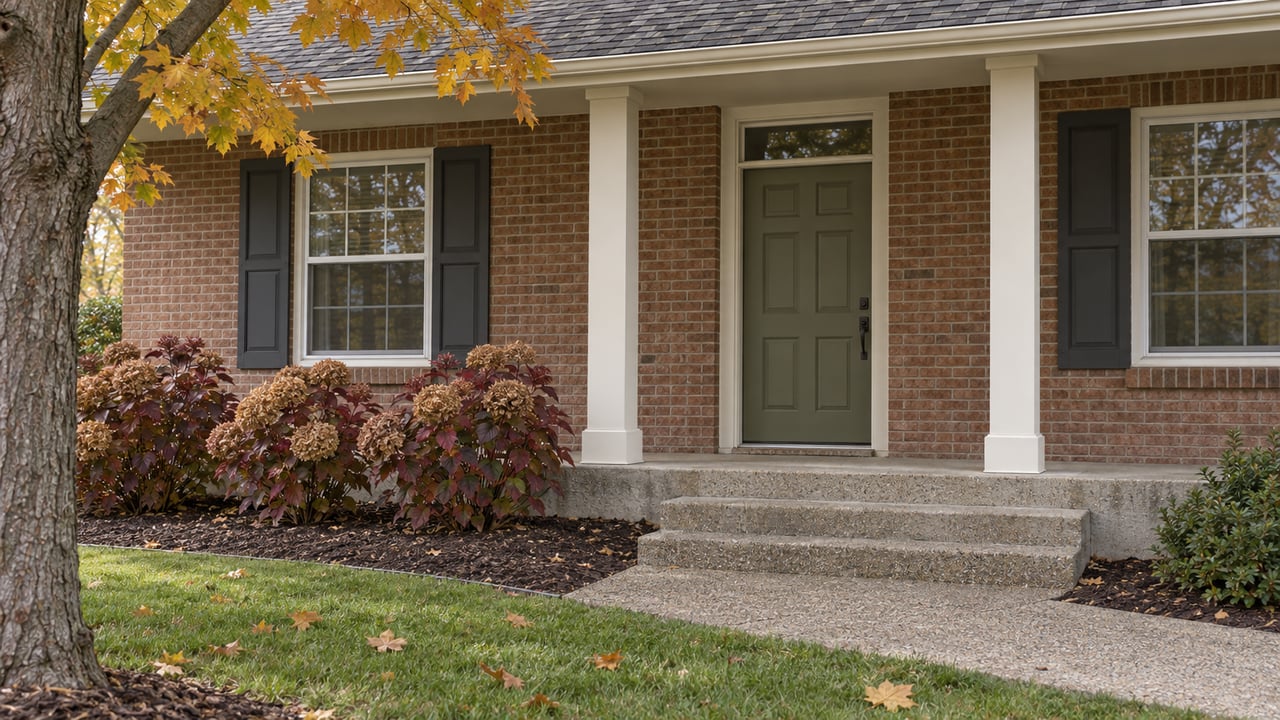
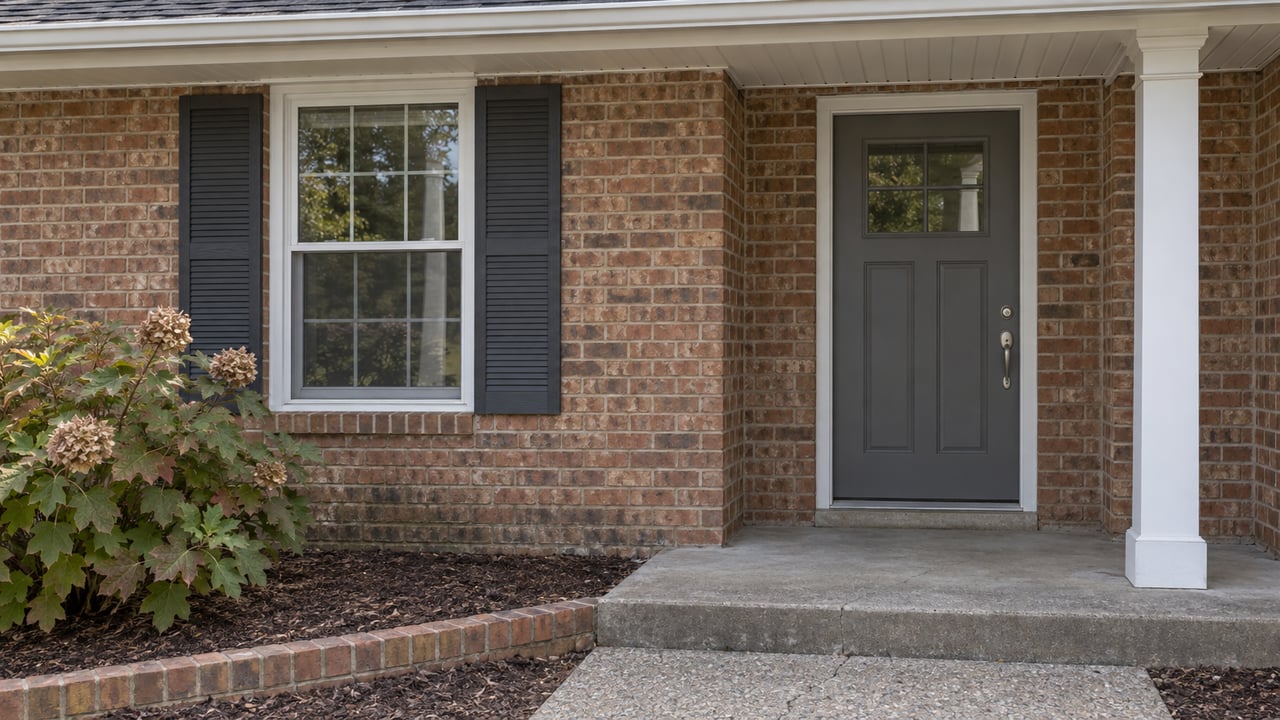
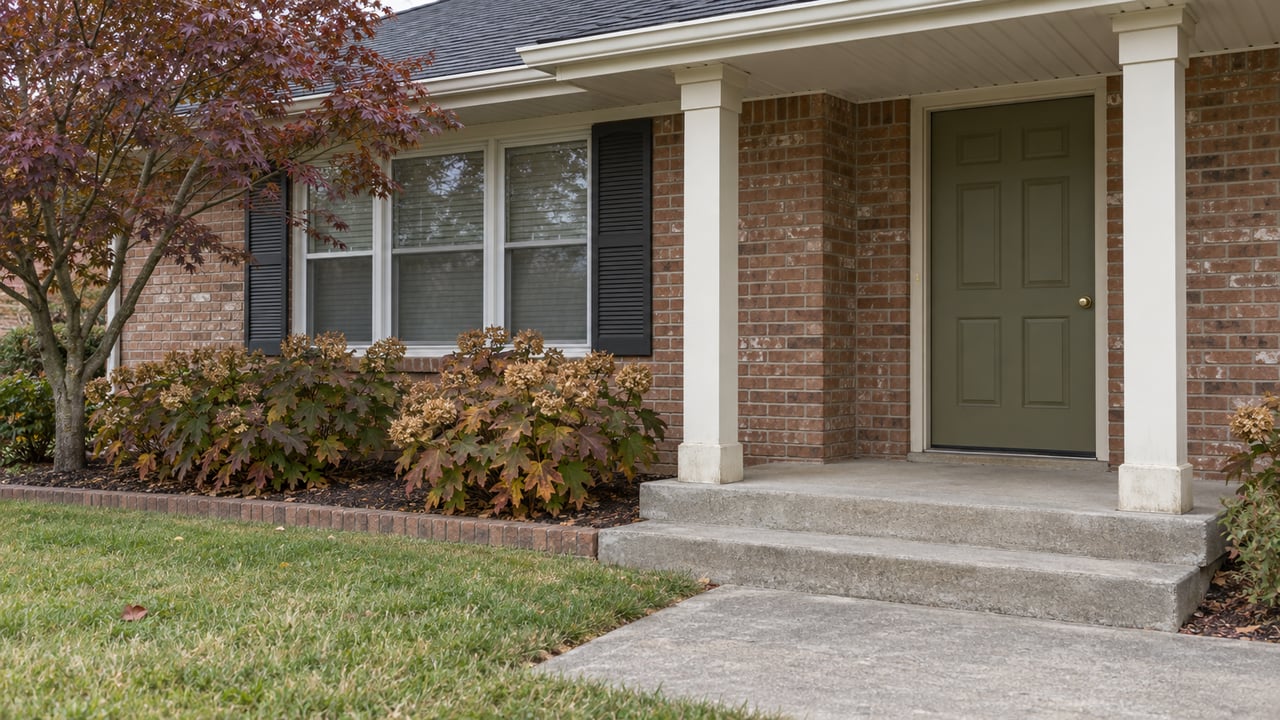
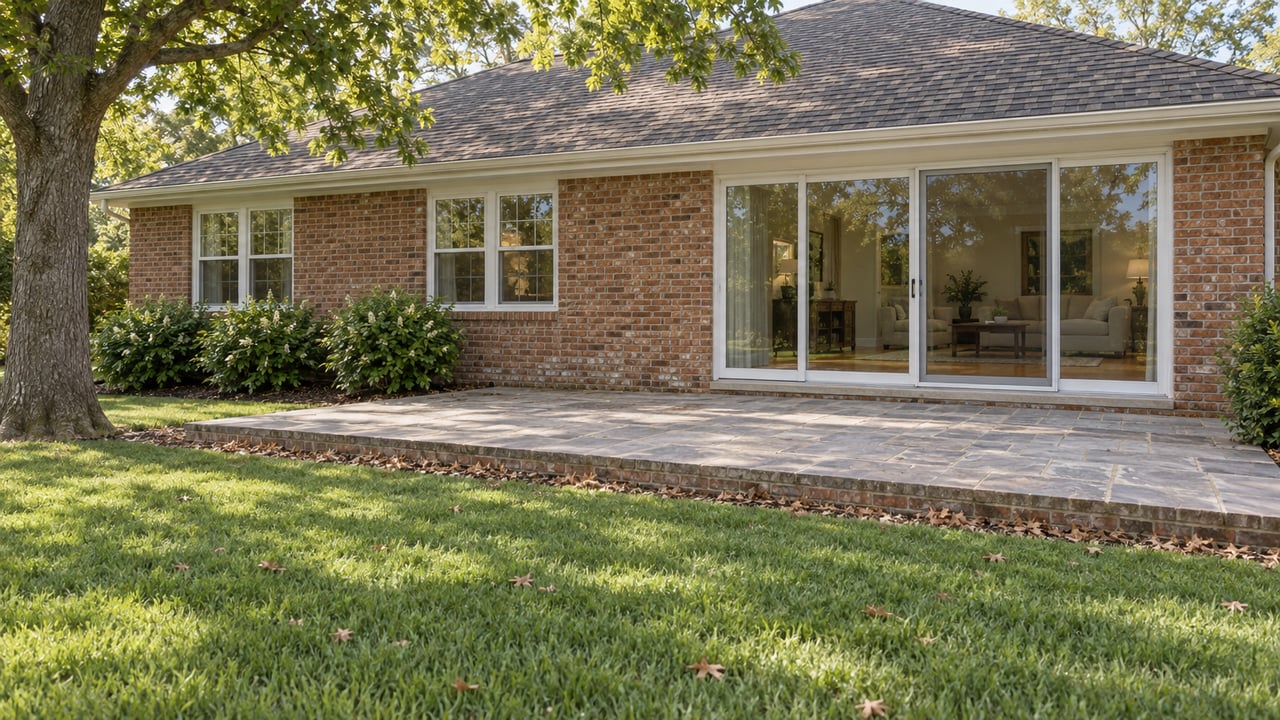
Ranch homes are commonly associated with picture windows, carports, and wider, lower facades. Split-level homes were often designed to work with sloping land, allowing larger homes to fit naturally onto standard-sized lots.
For buyers who want everyday convenience, these styles can be especially appealing. They often offer easier circulation, practical layouts, and a more straightforward path to modern updates.
What Makes Postwar Styles Practical
Compared with some earlier historic homes, ranch and split-level properties may be easier to adapt to current living patterns. That can matter if you want open sightlines, main-level living, or a simpler renovation plan.
You may appreciate these homes for their:
- Functional layouts
- Connection to sloped or wooded lots
- Potential for open-plan updates
- Everyday convenience
- Main-level living options in many cases
Newer Homes Often Echo Older Traditions
Even newer homes on Signal Mountain often reflect the area’s earlier architectural vocabulary. Local coverage still describes a mix that includes mid-century homes, ranch-style houses, Colonial and traditional brick homes, Craftsman-inspired homes, and updated contemporary builds.
That mix lines up with the town’s planning priorities, which emphasize low-density single-family neighborhoods, open space, tree preservation, and development that fits the existing character. In practical terms, newer Craftsman-inspired homes often echo older mountain patterns through gables, porches, stone or wood accents, and more contextual placement on wooded lots.
That is part of what helps Signal Mountain avoid feeling disconnected across generations of housing. Even when the square footage or interior layout is newer, many homes still nod to the mountain’s established character.
What These Styles Mean For Buyers
If you are shopping for a home on Signal Mountain, architectural style is not just about appearance. It often gives you clues about layout, maintenance, renovation flexibility, and how the house relates to the lot.
In broad terms, bungalow and cottage-style homes often offer the most visible character per square foot. Colonial Revival and Tudor Revival homes usually bring a stronger formal presence and classic curb appeal. Ranch, Minimal Traditional, and split-level homes often provide the most straightforward day-to-day function.
The common thread across all of them is setting. On Signal Mountain, mature trees, open space, and natural landscaping are part of the experience, and the best house for you is often the one whose style works well with the way you want to live.
What These Styles Mean For Sellers
If you are preparing to sell, your home’s architectural style can shape how buyers perceive value. Character-rich homes often benefit from marketing that highlights original details, setting, and design integrity rather than only upgrades.
At the same time, more practical postwar homes can attract strong interest when buyers understand the layout advantages and renovation potential. The key is positioning the home honestly and clearly so buyers see both its style and its everyday livability.
On Signal Mountain, buyers are often responding to both architecture and atmosphere. A home that feels well matched to its wooded lot, outdoor spaces, and neighborhood context tends to leave a lasting impression.
If you want help understanding how your home’s style may affect pricing, presentation, or buyer interest on Signal Mountain, Michael Schober offers a free, pressure-free consultation.
FAQs
What architectural style is most common on Signal Mountain?
- In the historic district, the bungalow is the most prevalent style or form, and many examples include Craftsman detailing.
What does a Craftsman bungalow on Signal Mountain usually look like?
- You will often see a low-pitched roof, broad gables, open eaves, exposed rafters or brackets, and a front porch that plays a major role in the design.
Are Colonial Revival homes common on Signal Mountain?
- Yes. Colonial Revival is one of the recurring styles in the area and is known for symmetry, centered entry doors, side-gabled roofs, and a more formal appearance.
Why do Tudor-style homes fit Signal Mountain so well?
- Tudor Revival and English Cottage Revival homes often pair steep roofs, masonry, stucco, and tall narrow windows with wooded settings, which gives them a strong mountain-cottage feel.
What postwar home styles will you see on Signal Mountain?
- You may see Minimal Traditional, Ranch, and split-level homes, especially in areas developed after the earliest historic period.
Are newer homes on Signal Mountain very different from older homes?
- Some are newer in layout and scale, but many still reflect the mountain’s established character through porches, gables, natural materials, and siting that works with wooded lots.