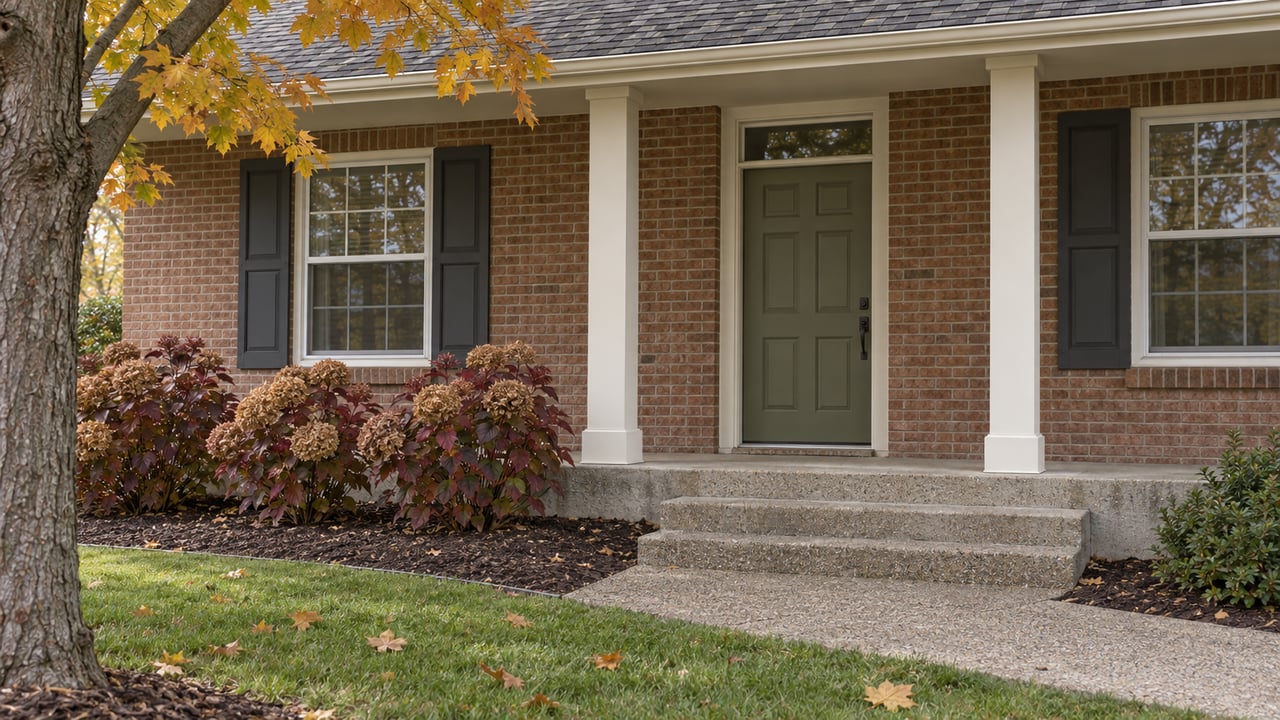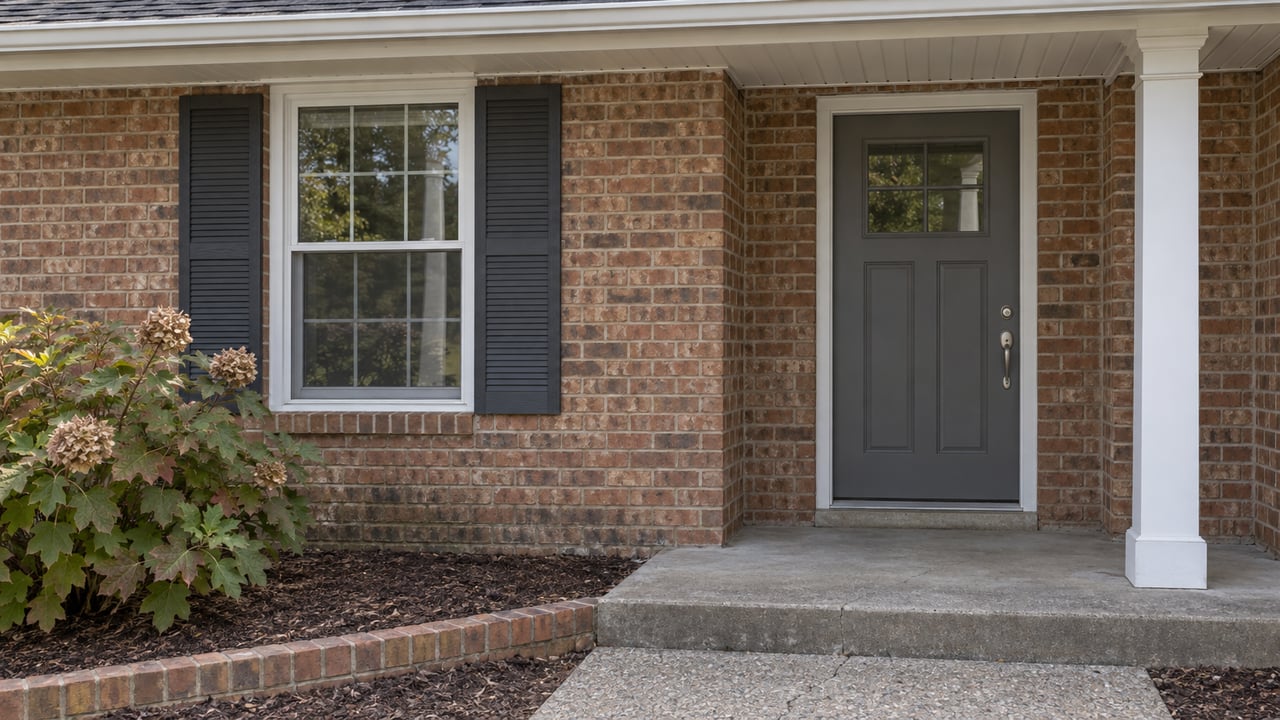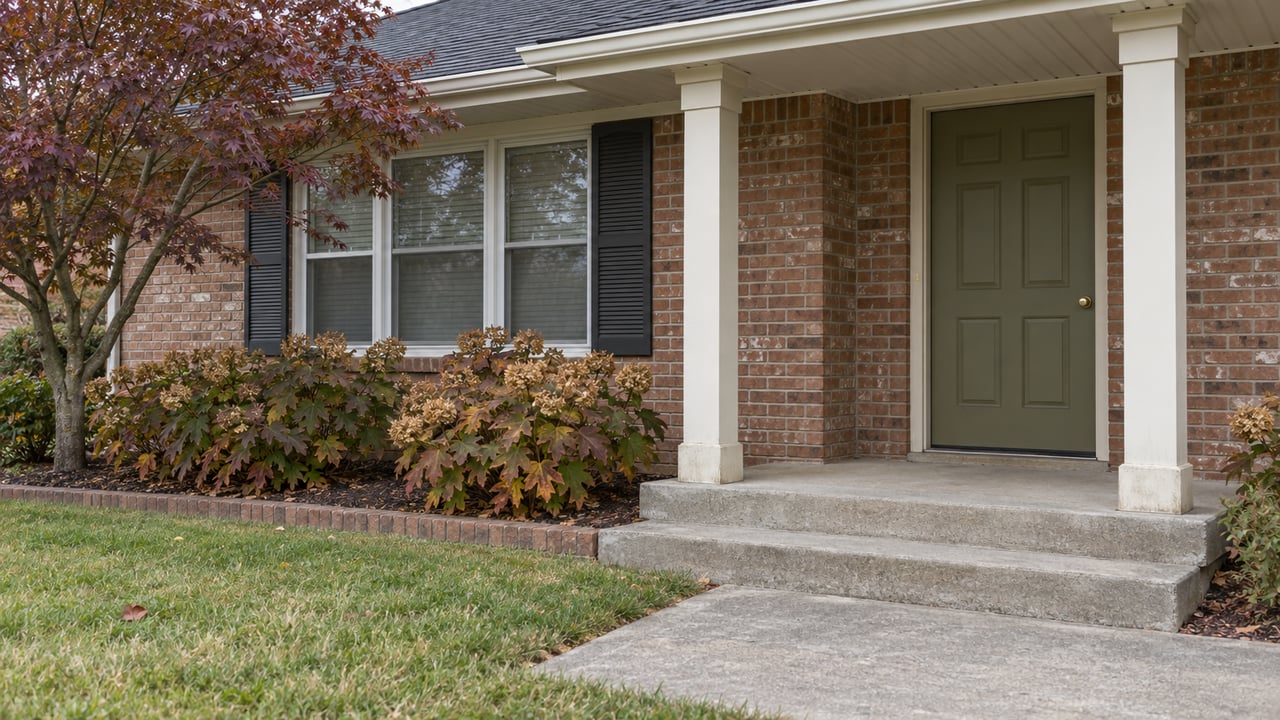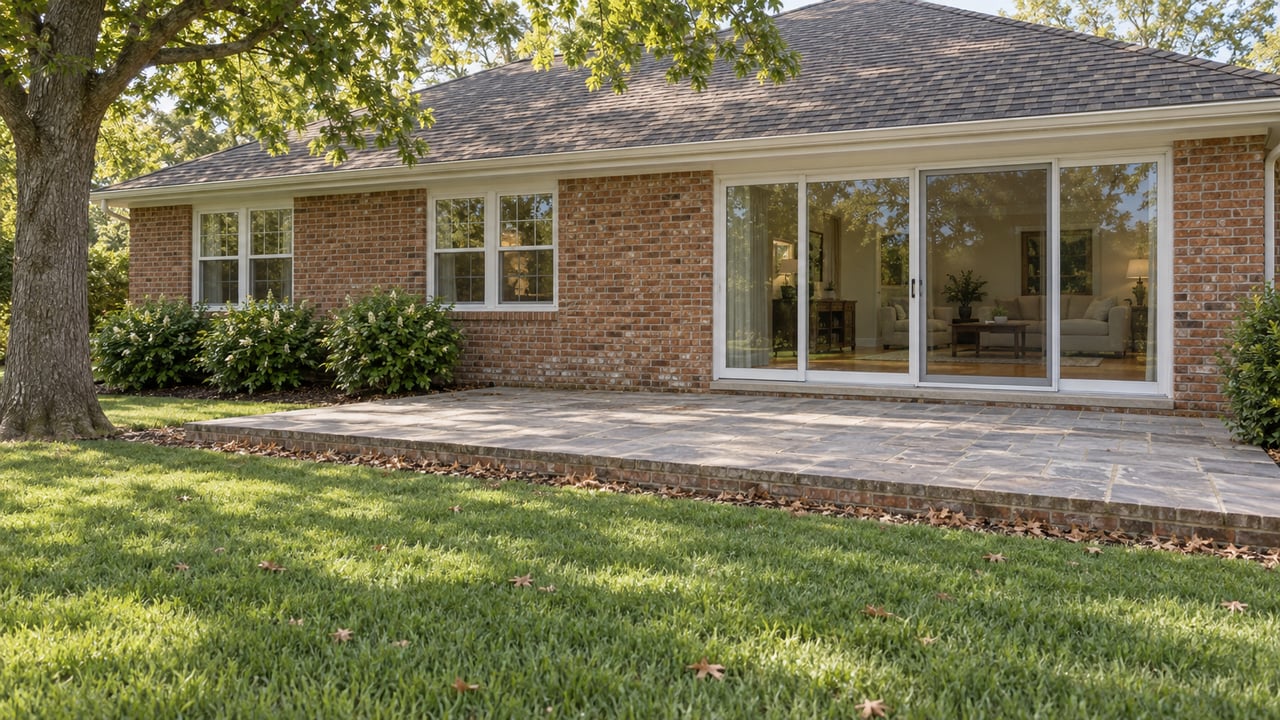
Thinking about selling your Signal Mountain home in the next 6 to 12 months? With our ridge-top setting, wooded lots, and discerning buyers, a little prep goes a long way. You want a smooth sale, strong offers, and fewer surprises. This guide walks you through what to fix, what to disclose, how to stage and photograph, and when to list for the best visibility. Let’s dive in.
Know the local market
Portal snapshots often show different medians in Signal Mountain, with recent figures ranging roughly from the low $600Ks to the mid $800Ks across list and sold data. That spread happens because each source uses a different window and method. For pricing your home, the most reliable approach is a local CMA based on MLS data. Review monthly and annual trends from Greater Chattanooga REALTORS and work with an agent who pulls neighborhood-level comps.
Timing matters. Spring through early summer, especially March to June, is typically the highest-visibility window. That is when more buyers are watching the market and planning moves. Confirm the latest local timing trends with your agent using GCAR updates.
Start with Tennessee disclosures
Complete the required disclosure
Tennessee law requires sellers to provide a residential property condition disclosure or a qualifying disclaimer. You must answer in good faith about known material defects. Review the statute and complete the form before you list so buyers see it early. You can find the law at Tenn. Code §66-5-201.
Gather permits and records
Pull documentation for past additions or major work. Unpermitted projects can slow or derail a closing. The Town’s site outlines Building and Codes resources and permit processes. Start with the Town of Signal Mountain website to track what you have and what you may need.
Build a simple seller package
Have a clean digital folder ready to share:
- Signed Tennessee disclosure
- Any pre-listing inspection reports
- WDI/termite letter and treatment receipts
- Septic permits, pump/service records, and percolation results if applicable
- Well test results if applicable
- Roof, HVAC, and appliance service records, plus manuals and warranties
- Survey and HOA documents if applicable
Providing these items early sets clear expectations and reduces renegotiations. See the disclosure statute at Tenn. Code §66-5-201.
Fix Signal Mountain specifics first
Signal Mountain sits on Walden’s Ridge with many homes on slopes, wooded lots, and long driveways. That means a few site issues tend to stand out in buyer inspections.
Drainage, slopes, and retaining walls
Poor grading, clogged drains, or aging retaining walls are common red flags. Clear gutters and downspouts, extend leaders, clean drain inlets, and document any engineered solutions or permits. For permit and contact info, check the Town of Signal Mountain.
Trees, leaves, and roof care
Our wooded lots shed heavily. Before photos and showings, schedule roof and gutter cleaning, trim branches away from the roof, and tidy leaf piles. Check the Town’s public works updates and leaf pickup guidance on the Town site.
Crawlspaces and foundations
East Tennessee soils can include expansive shales and clays. Crawlspace moisture, movement, and related fixes like drainage, vapor barriers, or piers often appear in reports. If your home is older or on a slope, consider a focused crawlspace/foundation review. University of Tennessee research outlines regional soil and movement concerns on TRACE.
Termites and WDI
Termite activity is common in Tennessee. Many buyers and lenders will request a WDI letter. Consider a licensed inspection and keep treatment receipts. UT Extension offers guidance on subterranean termites in Tennessee; review their publication here.
Radon and indoor air
Hamilton County is considered moderate risk for radon. Testing before you list lets you disclose results, and if needed, get a mitigation quote. Learn about test kit programs and resources from the State at TN Department of Health.
Septic, well, and easements
If your home uses a septic system or private well, gather permits, pump logs, and recent test results. Confirm any recorded easements and include them in your seller package. Tennessee’s disclosure law is a good reference point: Tenn. Code §66-5-201.
Stage and market for the ridge
Staging that moves buyers
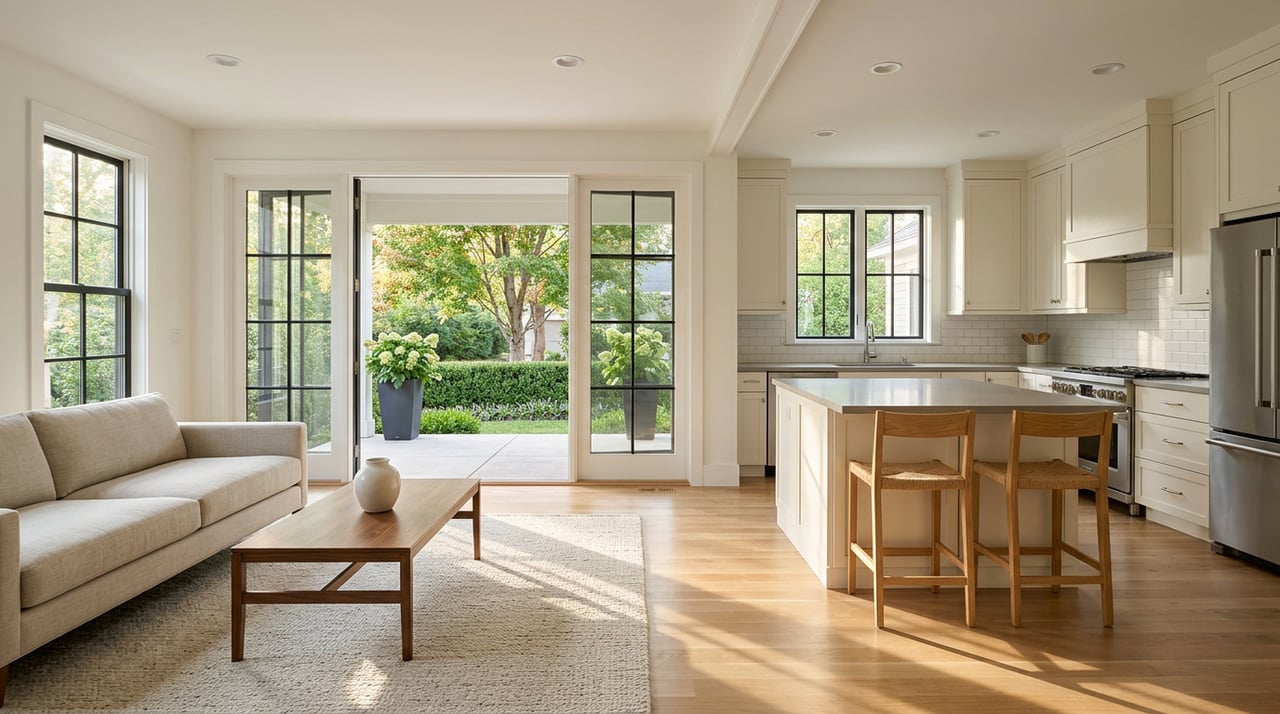
Targeted staging can reduce time on market and increase buyer interest. The National Association of REALTORS 2025 Profile of Home Staging reports that staged homes often show better and attract stronger offers, with living rooms, primary bedrooms, and kitchens cited as the most impactful rooms. Review the research in NAR’s 2025 Profile of Home Staging.
Quick wins:
- Pack away personal items and excess furniture
- Freshen neutral paint and lighting
- Deep clean, including carpets and vents
- Create inviting outdoor zones on decks and patios
Photography that highlights views
Professional photos help your listing stand out online. In Signal Mountain, feature the view or overlook, outdoor living, bright decluttered interiors, and a clean curb shot for context. Add a measured floor plan and a virtual tour to increase qualified showings. NAR’s staging profile reinforces the value of robust visuals and 3D content; see the 2025 report.
Drone and aerial rules
Aerials can be powerful for ridge and acreage views, but follow the rules. Commercial drone operators must hold an FAA Remote Pilot Certificate. Parts of Signal Mountain overlook parklands where unmanned aircraft are generally prohibited without written approval, so do not fly over park property. Hire a licensed Part 107 pilot and confirm restrictions first. Learn more from the FAA’s Part 107 overview here.
Price with confidence, not guesses
Build a local CMA
With portal medians varying, a Signal Mountain CMA built from MLS data is the best foundation for pricing. Ask your agent to include neighborhood-level solds, active competition, and pending trends. Review recent patterns using GCAR’s market reports.
Consider a pre-listing inspection
Many sellers choose a pre-listing inspection, often including a WDI and septic check if relevant. This lets you decide which repairs to make, how to present known issues, and how to price accordingly. Transparency up front can shorten time on market and reduce post-offer renegotiations.
Prioritize high-impact work
Focus on items that protect value and safety first, then low-cost, high-impact refreshes.
- High priority: active water intrusion, roof leaks, structural concerns, WDI activity, unsafe electrical. Fix or price with full disclosure.
- Medium priority: visible deferred maintenance like peeling paint, damaged siding, broken deck boards, or overdue HVAC service.
- High impact, lower cost: fresh neutral paint, deep cleaning, curb appeal touch-ups, basic kitchen or bath refreshes, power washing, updated entry hardware.
For data-backed guidance on what pays back, see NAR’s 2025 Remodeling Impact Report. Always weigh local costs and timeline before starting bigger projects.
A 90-day prep plan
Immediate: weeks 0 to 2
- Complete Tennessee’s disclosure form and organize permits and records. See Tenn. Code §66-5-201.
- Ask an agent for a CMA and a full marketing plan with photos, staging, and launch timing. Review GCAR trends.
- Declutter, deep clean, and pack nonessentials. Prioritize living areas, kitchen, primary suite, and key storage spaces.
Short term: weeks 2 to 4
- Schedule a pre-listing inspection. Add WDI and septic if applicable.
- Correct safety issues, roof leaks, and active moisture concerns. Pull any required permits via the Town site.
- Start quick staging updates and paint touch-ups. NAR’s staging guidance is a helpful template: 2025 profile.
Medium term: month 1 to 3
- Knock out moderate-cost, high-impact items like neutral interior paint, HVAC service, deck repair, minor kitchen or bath refreshes, and landscaping clean-up. Use NAR’s Remodeling Impact Report to guide priorities.
- Book professional photography, a floor plan, and a virtual tour. If you plan aerials over private property, hire a licensed Part 107 pilot and confirm park restrictions. See the FAA’s Part 107 guidance here.
Prepare for buyer questions
Buyers often ask about a few key risk areas in Signal Mountain. Be ready with documents.
- Termites or prior treatment? Provide a recent WDI report and any treatment receipts. See UT Extension’s overview here.
- Drainage or retaining wall work? Share permits, contractor invoices, and any engineering notes. Regional soil context from UT is available on TRACE.
- Septic or well status? Provide permits, pump logs, and water tests. See disclosure references at Tenn. Code §66-5-201.
- Radon results? Share your recent test and, if needed, a mitigation quote. State resources are listed by the TN Department of Health.
Sell with confidence
Preparing the right way on Signal Mountain means handling the site-specific items first, presenting clear disclosures, and launching with strong visuals at the right time. If you want a tailored prep plan and a data-backed price strategy, reach out. You will get a local CMA, a prioritized checklist, and a polished marketing plan that fits your timeline.
Ready to get started? Schedule your free, pressure-free consultation with Michael Schober.
FAQs
When is the best time to list in Signal Mountain?
- Spring to early summer, especially March to June, is typically the highest-visibility period. Confirm current trends with GCAR’s market reports and your agent’s CMA.
What documents do Tennessee sellers need before listing?
- Prepare the required residential property condition disclosure or qualifying disclaimer, plus permits, service records, and inspection results. See Tenn. Code §66-5-201.
How do I handle drone photos near Signal Point and park areas?
- Hire a licensed FAA Part 107 pilot, do not fly over park lands without written approval, and confirm any local restrictions in advance. Review the FAA Part 107 overview here.
Do Signal Mountain homes need radon testing before listing?
- Hamilton County is moderate risk for radon. Testing before you list lets you disclose results and plan mitigation if needed. See the TN Department of Health.
Should I do a pre-listing inspection or sell as-is?
- A pre-listing inspection helps you decide which repairs to complete, how to price, and how to disclose known issues. It can reduce surprises and speed up closing, even if you ultimately sell as-is.